Stalin is one of history's hardest figures to grasp, a man who turned a utopian revolution into an engine of mass death while inspiring genuine devotion. Read the subject in order and you can hold both realities at once: the personal biography of the tyrant and the vast human catastrophe he presided over.
Order matters because Stalin cannot be understood apart from the revolution that produced him or the millions crushed beneath him. This path moves from origins, through the man, to the terror and the war, so his crimes are never abstracted from the people who suffered them.
Origins
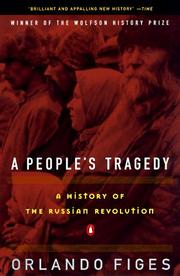
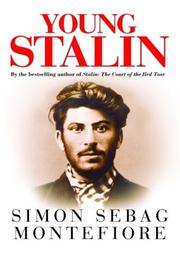
Start with A people's tragedy by Orlando Figes, which lays out the revolution and civil war that created the brutal system Stalin would inherit and perfect. Then follow his own rise with Young Stalin by Simon Sebag-Montefiore, the gripping account of the bank-robbing revolutionary before the throne.
The man in power
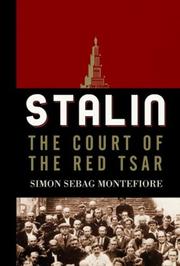
Continue with Stalin, also by Sebag-Montefiore, the definitive portrait of his court, its paranoia, and its intimate cruelty. For the deepest analytical biography, Stalin: Volume I, Paradoxes of Power by Stephen Kotkin sets him within the whole sweep of Russian and world history, a monumental work that reframes how we understand his rise.
The terror and its victims
The heart of the story is suffering, and it must not be read at a distance. Bloodlands by Timothy Snyder situates Stalin's killing alongside Hitler's in the lands between them, and The Whisperers by Orlando Figes reconstructs the texture of private life under the terror, how fear reached into every family. Gulag by Anne Applebaum is the definitive history of the camp system that swallowed millions.
The war and after
The Soviet experience of World War II was its defining trauma and triumph. Ivan's war by Catherine Merridale tells the war through the ordinary Red Army soldiers who won it and were often discarded. Close with The Stalin Affair by Tobias Rupprecht, a fresh angle on the era that makes a thought-provoking capstone once the core story is in place.
Read this path in order and Stalin becomes comprehensible without ever becoming excusable, a real man whose choices produced an ocean of suffering. Follow the full sequence to understand both the tyrant and the system he built.
Follow the full reading path →
Ready to learn something deeply?
Build a reading path — free