Stage management is a role you learn by doing, but a good reading order shortens the climb dramatically. The job is equal parts organization, communication, and calm under pressure, and the classic texts each attack a different facet. Reading them in sequence means you build the mental model before you're standing at the calling desk with a headset on.
This path starts with the foundational overview of the role, adds practical toolkits, and then moves toward the technical and professional realities of running a show at the highest level.
Understand the role
Start with Stage management by Lawrence Stern, the long-standing standard that lays out the stage manager's responsibilities across the whole production timeline. Then The Stage Manager's Toolkit by Raphael Kelly turns that overview into concrete practices, forms, and habits you can apply immediately.
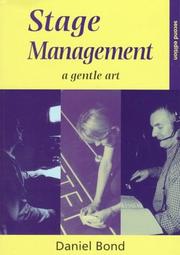
Stage management by Daniel Bond offers a complementary British perspective on the same craft, useful for seeing which practices are universal and which are conventions.
Get practical and see the career
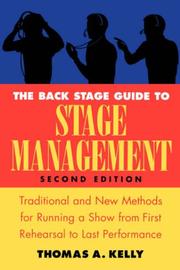
Opportunities in Theater Careers by Dick Moore maps how stage management fits into a working life in theater. The back stage guide to stage management by Thomas A. Kelly is a warm, experience-rich walkthrough from a veteran of the role, full of the judgment calls that textbooks skip.
Learn the technical side and the top tier
A stage manager coordinates every department, so Technical theater for nontechnical people by Drew Campbell gives you enough fluency in lighting, sound, and scenery to speak everyone's language. Then Production stage management for Broadway by Peter Lawrence and Stage Manager: The Professional Experience by Lawrence Stern show what the job becomes at the professional peak — union rules, scale, and the relentless organization it demands.
These books teach the craft, but stage management is ultimately learned in rehearsal rooms; treat the reading as preparation for hands-on work, not a replacement for it. Follow the full path and you'll walk into your first calling with a real map.
Follow the full reading path →
Ready to learn something deeply?
Build a reading path — free