Photojournalism rewards a deliberate reading order because the technical part is the smallest part. Anyone can learn exposure; the hard skills are seeing the decisive moment and knowing what it means to point a camera at another person's suffering. Learning the craft and the conscience together keeps you from becoming merely competent.
This path starts with the masters who defined the form, moves through the working discipline of reporting with a camera, and ends with the ethical questions that every serious photojournalist eventually confronts.
Learn to see from the masters
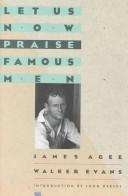
Begin with Henri Cartier-Bresson : the Mind's Eye, a slim collection of the great photographer's own reflections on the decisive moment. Then Photojournalism by Arthur Rothstein grounds you in the documentary tradition and its purpose. Let us now praise famous men by James Agee shows how image and word together can bear witness to ordinary lives.
The photographer's eye by John Szarkowski teaches you to read a photograph — what makes a frame work — which sharpens both your shooting and your editing.
Build the working craft
Photojournalism by Kenneth Kobre is the field's standard textbook, covering everything from gear to newsroom workflow to legal issues. The Photo Essay by W. Eugene Smith models the long-form storytelling that separates a picture from a story.
Confront the ethics
The final books are the ones that matter most. On Photography by Susan Sontag interrogates what taking pictures does to us and to the world, and her Regarding the Pain of Others asks how we should photograph — and look at — human suffering. An Ethics of Interrogation by Michael Kearns pushes on the responsibilities of documenting others.
War Is a Force That Gives Us Meaning by Chris Hedges and Shooting under fire by Peter Howe close the path with hard truths about covering conflict. These are books to read, not credentials — real photojournalism also demands mentorship, field experience, and legal awareness that no reading list replaces. Follow the full path to build both the eye and the conscience the work requires.
Follow the full reading path →
Ready to learn something deeply?
Build a reading path — free