Industrial and product design is easy to approach backwards. Beginners often start with sketching or CAD, but the deeper skill is understanding why objects work — how people perceive, misuse, and fall in love with them. Learning the human side first gives every later technical choice a reason.
A good order also keeps you from drowning in materials science before you know what problem you're solving. This path moves from principles, to process, to the physical world of materials and manufacturing, and finally to the philosophy that gives a designer taste.
Start with how people experience objects
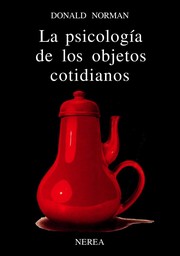
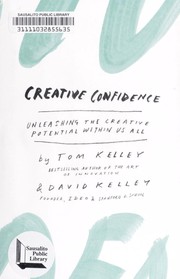
Open with The Psychology of Everyday Things by Donald A. Norman, the foundational text on affordances, feedback, and why bad doors are a design failure, not a user failure. Then Creative Confidence by Tom Kelley builds the mindset that you can design at all, drawing on IDEO's practice.
Learn the process
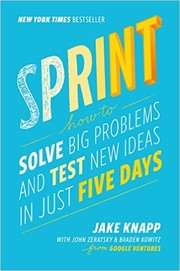
Sprint by Jake Knapp gives you a concrete five-day method for testing ideas before you build them — the closest thing to a repeatable design workflow. It turns vague inspiration into something you can run on Monday morning.
Ground it in materials and making
Design lives in the physical world, so Materials and design by Mike Ashby connects material properties to design intent, and The Practical Guide to Man-Made Fibres and Fabrics extends that into soft goods. Making It by Chris Lefteri is the essential primer on manufacturing processes — how the thing actually gets produced at scale.
Develop taste and philosophy
Now study the masters. Dieter Rams by Sophie Lovell distills "less but better" through the designer who defined it, while Helvetica, Objectified, Urbanized collects Gary Hustwit's design documentaries in print form. Round out the mindset with The Art of Innovation by Tom Kelley and Emotional Design by Donald A. Norman, which explains why we love objects beyond their function.
Close with The shape of design by Frank Chimero, a short, reflective book on craft and intention. Work through the full path and you'll design with reasons, not just references.
Follow the full reading path →
Ready to learn something deeply?
Build a reading path — free