Speechwriting is a stack of skills that only looks like one. A memorable speech needs an argument that persuades, sentences built for the ear rather than the eye, a story that carries the idea, and a shape that survives being spoken aloud. Most people who want to write speeches focus on clever phrases and neglect the foundation — persuasion — so the words sparkle and nothing moves. A reading order that starts with rhetoric and ends with delivery fixes that.
Build from persuasion, to prose craft, to storytelling, to the study of speeches that actually landed.
Start with persuasion itself
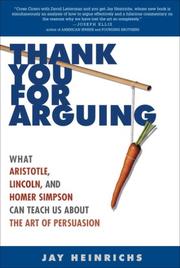
Begin with Thank You for Arguing by Jay Heinrichs, the most enjoyable modern introduction to rhetoric — ethos, pathos, logos, and dozens of tools you will use immediately. Then go to the source: Aristotle's Rhetoric is the two-thousand-year-old foundation every later book borrows from, and reading it makes the whole field cohere. This is the layer amateurs skip and professionals never do.
Sharpen the prose
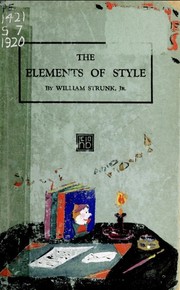
A speech is written to be heard, so the sentences matter enormously. The Elements of Style by Strunk and White drills the clarity and concision that keep a listener with you, and Writing Tools by Roy Peter Clark offers fifty concrete techniques — cadence, emphasis, the well-placed short sentence — that translate directly to the podium.
Learn from the masters and tell the story
Now study speeches that worked and the stories inside them. Speak like Churchill, stand like Lincoln by James Humes distills the techniques of history's great orators into usable moves. Words like loaded pistols by Sam Leith is a lively history of rhetoric from the Greeks to spin doctors, and The American President by William Leuchtenburg supplies the political context behind many landmark addresses. Because every strong speech is really a story, Story by Robert McKee — though about screenwriting — teaches structure and emotional arc better than any speech-specific book.
Polish and deliver
Finally, connect writing to performance. Talk Like TED by Carmine Gallo analyzes what makes modern talks spread — a single idea, emotion, and surprise — and The Finest Hours by Ted Sorensen, from the man who wrote for John F. Kennedy, is a study in eloquence under pressure. For a novelist's take on the craft of the address, The Speechmaker by Frederic Raphael rounds out the picture.
Read in this order, speechwriting becomes an engineering discipline: persuade, then phrase, then narrate, then deliver. Follow the full reading path for the staged version, or browse the subject hub.
Ready to learn something deeply?
Build a reading path — free