Nature writing is one of the most deceptive genres to learn. The best of it reads like a quiet walk, but underneath sits ferocious craft: precise observation, a moral undertow, and a voice that fuses science, memoir, and philosophy without seeming to try. Read a random stack and you will admire it without understanding how it works. A reading order that pairs the masterworks with the range of the tradition — and with books on the craft itself — teaches you to see the machinery.
The arc: absorb the touchstones, then explore the genre's breadth, then study how it is actually made.
Absorb the touchstones
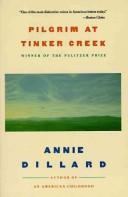
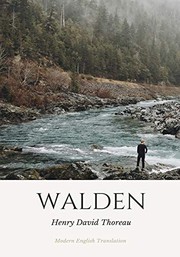
Start with Pilgrim at Tinker Creek by Annie Dillard, a Pulitzer-winning model of attention so close it becomes theology. Then A Sand County Almanac by Aldo Leopold, whose "land ethic" is the moral spine of modern environmental writing, and Walden by Henry David Thoreau, the founding American experiment in living deliberately and writing about it. These three set the standard everything else answers to.
Explore the range
Now widen out to see what the genre can hold. The solace of open spaces by Gretel Ehrlich brings Wyoming's severity to life; Braiding Sweetgrass by Robin Wall Kimmerer braids Indigenous knowledge with botany into the genre's most beloved recent book. The peregrine by J.A. Baker is a masterclass in obsessive, transfiguring observation, Desert solitaire by Edward Abbey is its cranky, ecstatic desert counterpart, and The Snow Leopard by Peter Matthiessen turns a Himalayan expedition into a spiritual quest. Refuge by Terry Tempest Williams weaves a mother's illness with a flooding bird sanctuary, and The Sixth Extinction by Elizabeth Kolbert shows how the tradition meets hard science and global stakes.
Study the craft
To write it yourself, learn how it is built. Art of the Personal Essay edited by Phillip Lopate is the definitive anthology and craft companion for the essayistic mode nature writing lives in, and Writing Wild by Tina Welling offers direct, practical guidance for putting the natural world on the page.
Read this way — masterworks, then range, then craft — you stop merely enjoying nature writing and start understanding it well enough to attempt your own. Follow the full reading path for the staged version with a study plan, or browse the subject hub.
Ready to learn something deeply?
Build a reading path — free