Science writing asks for two skills that rarely live in the same person: the discipline to get the science exactly right, and the artistry to make it grip a reader who never took the class. Study only style and you write beautifully about nothing; study only the science and you write accurately about things no one finishes. The way to learn both is a reading order that alternates craft instruction with the masterworks that prove it can be done.
Start with general writing principles, then read the exemplars, then the books written specifically about communicating science.
Learn to write clearly first
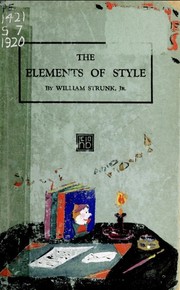
Before anything science-specific, master plain prose. On Writing Well by William Zinsser is the classic guide to nonfiction clarity, and The Elements of Style by Strunk and White is the pocket rulebook every writer returns to. These teach the ruthless clarity that science writing lives or dies by.
Read the masterworks
Now learn from the best. A short history of nearly everything by Bill Bryson shows how curiosity and wit make even cosmology and geology delightful. The Demon-Haunted World by Carl Sagan is the enduring case for scientific skepticism, written with warmth. The Immortal Life of Henrietta Lacks by Rebecca Skloot fuses science, biography, and ethics into narrative nonfiction at its finest, and The Soul of a New Machine by Tracy Kidder is the Pulitzer-winning template for writing about technologists at work. The Sixth Extinction by Elizabeth Kolbert models urgent, reported science on a planetary scale, and The Gene by Siddhartha Mukherjee shows how to make a hard subject sweeping and human.
Study the craft directly
With models in mind, get technical. Science and the Media edited by Boyce Rensberger examines how science reaches the public and where it goes wrong — essential context for anyone doing the work. Writing science by Joshua Schimel is the practical craft book for structuring papers, proposals, and popular pieces so readers actually follow. And to see the current state of the art, The Best American Science and Nature Writing anthologies collect the year's finest short pieces — the ideal ongoing study of what works right now.
Read in this order, science writing stops being a mystery of talent and becomes a learnable craft: clarity first, exemplars second, technique third. Follow the full reading path for the staged version, or browse the subject hub.
Ready to learn something deeply?
Build a reading path — free