Sourdough breaks more new bakers than any other kind of bread, and the reason is subtle: it is not a recipe you follow, it is a living process you manage. A wild starter behaves differently in a warm kitchen than a cold one, on Tuesday than on Sunday. Follow instructions blindly and you get gummy, dense, or flat loaves with no idea which variable betrayed you. The bakers who succeed are the ones who learned to read the dough.
That is exactly why reading ORDER matters. Start with the science, so every later instruction has a reason behind it. Then learn a reliable process, then chase the finer points of crumb and flavor. Skip the foundation and you are just memorizing steps you cannot debug.
Understand what is actually happening
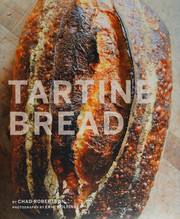
Begin with Bread Science by Emily Buehler, the clearest explanation of fermentation, gluten and the wild microbes that make sourdough work. It is the "why" that turns troubleshooting from guesswork into reasoning. Then bake alongside Tartine bread by Chad Robertson, the modern classic that pairs a beautiful naturally-leavened method with the intuition-building language of dough feel and timing.
Lock in a repeatable process
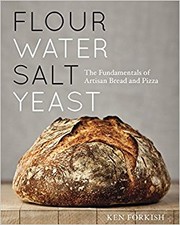
Now get a system you can trust. Flour Water Salt Yeast by Ken Forkish teaches bread by weight, hydration and schedule, and its methodical approach makes your results consistent instead of lucky. Reinforce it with The Perfect Loaf by Maurizio Leo, a thorough, beginner-friendly guide that walks you through building and maintaining a starter and baking your first great loaves. Add The sourdough school by Vanessa Kimbell, which brings nutrition, long fermentation and gut-health thinking into the picture.
Chase crumb, mastery and range
With reliable bread on the table, refine it. Open Crumb Mastery by Trevor Jay Wilson is a focused, almost obsessive study of achieving that open, glossy interior everyone chases, and it will sharpen your shaping and handling. Modernist Bread at Home by Nathan Myhrvold brings a science-lab depth for when you want to understand every lever you can pull. Finally, widen your range with The rye baker by Stanley Ginsberg, which opens up the rich, dense world of rye breads that behave nothing like wheat sourdough.
How to actually practice
Bake the same recipe from the same book over and over before switching. Weigh everything, note your kitchen temperature and each timing, and change one variable at a time. Take photos of the crumb so you can compare across weeks. Your starter is the real project — feed it on a schedule and get to know its rhythm, because a healthy, predictable starter solves most sourdough problems before they start.
Ready to bake real bread in order? Follow the full reading path, explore the subject hub, or browse related baking paths.
Ready to learn something deeply?
Build a reading path — free