Mediterranean cooking is less a single cuisine than a whole way of eating — olive oil, vegetables, grains, beans and fish spread across three continents. That breadth is the joy of it and the trap. "Mediterranean" can mean a Greek village salad, a Levantine mezze table, a Moroccan tagine, or a Tuscan bean stew, and a book that tries to cover all of it at once often teaches none of it deeply.
So it helps to read in an order: start with a broad, tested foundation, then travel region by region, then reach for the technique books that make everything else click. Ordered this way, the recipes stop feeling like a scattered pile and start reinforcing each other.
Start with a tested foundation
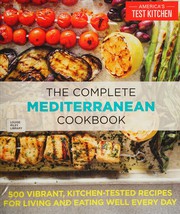
Begin with The complete Mediterranean cookbook by America's Test Kitchen, a rigorously tested single volume that spans the whole region and, crucially, explains WHY each recipe works. It gives you reliable defaults for dressings, braises, grains and grilled fish that you will reach for constantly. Then anchor the Greek end with My Greek Table by Diane Kochilas, which grounds you in the vegetable-forward, lemon-and-herb logic that underpins so much of the region.
Travel the eastern Mediterranean
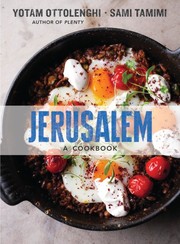
Now go where the flavors get bolder. Jerusalem by Yotam Ottolenghi is the book that reshaped how home cooks think about the Levant — layered, generous, and built on spice, yogurt and roasted vegetables. Follow it with Plenty, also by Ottolenghi, which pushes vegetables to the center of the plate and teaches you to build a meal without meat as an afterthought. Then read Zaitoun by Yasmin Khan, whose Palestinian recipes and reporting give the eastern Mediterranean a place and a people, not just a flavor profile.
Learn the technique that carries everything
With a feel for the region, reach for the master teachers. The Zuni Café Cookbook by Judy Rodgers is not strictly Mediterranean, but its patient lessons on salt, heat and timing — the famous roast chicken and bread salad especially — will improve every dish you cook. The Essentials of Classic Italian Cooking by Marcella Hazan is the bedrock of the Italian side: precise, opinionated, and the fastest way to understand why simple food tastes so good. The Chez Panisse menu cookbook by Alice Waters teaches the ingredient-first, seasonal mindset that is really the soul of this whole cuisine.
Go deeper into North Africa, then keep it easy
For the southern shore, The food of Morocco by Paula Wolfert is the definitive work — deep, exacting, and worth the effort once you have some confidence. Close with Ottolenghi simple, which strips the Ottolenghi style down to weeknight-friendly recipes, giving you a sustainable everyday repertoire after all the ambition of the earlier books.
How to actually cook through it
Do not try to master every book at once. Cook five or six recipes from each before moving on, and pay attention to the techniques that repeat — how vegetables are roasted hard, how yogurt and tahini become sauces, how acid brightens a braise. Those patterns transfer everywhere. Buy good olive oil and a few core spices early; they do more for this food than any single recipe.
Ready to cook the whole region in order? Follow the full reading path, explore the subject hub, or browse related cooking paths.
Ready to learn something deeply?
Build a reading path — free