Ramen looks like fast food and cooks like fine dining. A serious bowl has four moving parts — broth, tare (the seasoning base), noodles and toppings — and each one is its own small craft. Jump straight to a ramen-only book and you can follow the recipes, but you will not understand the Japanese pantry and knife-work that everything assumes. That gap is why so many home cooks make a decent bowl once and never improve.
So build from the base up. Learn Japanese fundamentals first, then study ramen specifically, then widen out into the broader world of Asian noodles and the wok technique that ties it together. In that order each book answers questions the previous one raised.
Build the Japanese foundation
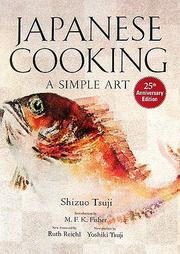
Start with Japanese cooking by Shizuo Tsuji, the classic that teaches dashi, rice, knife skills and the underlying logic of the cuisine — the grammar behind every later recipe. Then read The Japanese Farm Food by Nancy Singleton Hachisu, which grounds that grammar in real home cooking and seasonal ingredients, so the techniques feel lived-in rather than academic.
Go deep on ramen itself
Now to the bowl. Ivan Ramen by Ivan Orkin tells the story of an American who opened a celebrated shop in Tokyo, and it treats broth and tare with the seriousness they deserve. Pair it with The Gaijin Cookbook, also by Orkin, which broadens into everyday Japanese cooking and keeps you fed while you practice. Then get practical with Ramen at home by Brian MacDuckston, a focused guide written for exactly your kitchen and equipment.
Widen out to noodles and the wok
Ramen is one noodle among many, so open the aperture. The Noodle Cookbook by Pippa Middlehurst covers dumplings and noodles across East and Southeast Asia, giving you range beyond a single bowl. Then study technique with The Wok by J. Kenji López-Alt, a deeply-explained manual on heat, stir-frying and building flavor that will upgrade every noodle dish you touch. Add Koreatown by Deuki Hong for the Korean noodle and banchan world, and Momofuku by David Chang for the restaurant-driven, boundary-pushing take that helped make ramen a Western obsession.
Sharpen your instincts
Finish with The Food Lab, also by J. Kenji López-Alt. It is not a noodle book, but its rigorous, why-does-this-work approach to cooking science will make you a smarter cook across everything on this path — better emulsions, better browning, better seasoning judgment.
How to actually practice
Do not build a full bowl from scratch on night one. Make broth one weekend, tare another, and buy good fresh noodles while you learn. Taste your broth and your tare separately and adjust each before you combine them; most disappointing ramen is really under-seasoned tare. Keep notes on ratios, because a bowl you love is worth being able to repeat exactly.
Ready to build the whole bowl in order? Follow the full reading path, explore the subject hub, or browse related cooking paths.
Ready to learn something deeply?
Build a reading path — free