Art Deco is a retrofitted term. Nobody working in 1925 called it that; the name comes from the 1925 Paris Exposition Internationale des Arts Decoratifs et Industriels Modernes and was popularised in the 1960s, decades after the fact. What it covers is genuinely inconsistent — French luxury cabinetmaking, Miami hotel facades, Bakelite radios, Cassandre's posters, the Chrysler Building — united more by period and attitude than by a shared doctrine.
That is why the reading order matters. Start with a survey that establishes the shape of the field and where the fault lines run, then follow individual media in turn. Jumping straight into an architecture monograph gives you a beautiful book and no framework to place it in.
Establish the shape of the movement
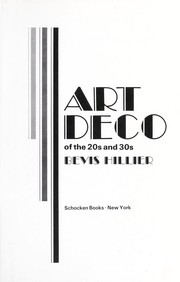
Art Deco of the 20s and 30s by Bevis Hillier is the book that did more than any other to establish Art Deco as a recognised category, and it remains a lucid short introduction to what the style was reacting against and drawing from — Cubism, Egyptomania, the Ballets Russes, machine-age materials. Read it first for the argument.
Then Art deco complete by Alastair Duncan, a large and comprehensive survey covering furniture, glass, ceramics, metalwork, jewellery, textiles and sculpture. Duncan is the reference authority on the decorative arts side, and this is the volume to sit with for the objects themselves.
Get the scholarly and exhibition-scale account
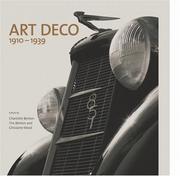
Art deco 1910-1939, edited by Charlotte Benton, Tim Benton and Ghislaine Wood, accompanies the Victoria and Albert Museum's major exhibition and is the most rigorous book on this path. It treats Deco as a global commercial phenomenon rather than a French luxury style, tracing its spread through advertising, cinema, ocean liners and colonial exchange, and it addresses the uncomfortable parts — the appropriation of African, Egyptian and Asian motifs — that celebratory books skip.
Follow the media in turn
Architecture first: Art Deco Architecture by Patricia Bayer is the international survey, covering skyscrapers, cinemas, factories and civic buildings across continents. Then New York Deco by Richard Berenholtz, a photographic study of the single densest concentration of it anywhere, and the best way to train your eye on setbacks, spandrels, lobbies and ornamental metalwork.
For interiors, Bayer's Art deco interiors documents the rooms rather than the facades — the ensembliers, the lacquerwork, the built-in furniture and the way lighting was designed into the architecture. Then Art Deco Graphics by Patricia Frantz Kery covers posters, magazine covers, packaging and typography, which is where the style reached the most people and where its visual vocabulary is at its sharpest.
A note on the overlaps
Bayer appears twice and Duncan's survey overlaps with several of the specialist books. If you are buying selectively, take Benton for the scholarship, Duncan for the objects, and one Bayer volume matched to your interest. Art Deco by Michael Robinson is the accessible illustrated overview at the popular end of the shelf — a good gift-scale introduction, and skippable if you have already read Hillier.
Follow the full path in order and the label stops feeling like a catch-all and starts resolving into distinct, datable design decisions you can spot in the street.
Follow the full ordered path here: Best Books on Art Deco, in Reading Order.