Most automation-resistant careers defend against change. Solar work rides it. The electrification of everything — vehicles, heating, industry — requires millions of physical installations that cannot be done remotely, cannot be done by a chatbot, and mostly cannot be done without electrical licensure. If you want a career that is both hands-on and pointed at where the economy is going rather than where it has been, the solar and renewable trades are a rare two-for-one.
The catch: solar is applied electrical work, and electrical work punishes shallow knowledge. You cannot skip to panel layouts without understanding volts, amps, and the code. That is why order matters more here than in almost any other trade path — each layer is load-bearing for the next. The full reading path is staged accordingly.
Stage 1: Electricity first
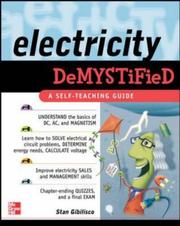
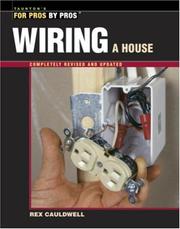
Start with Electricity Demystified by Stan Gibilisco — a self-teaching guide that builds the circuit fundamentals everything else assumes. Then read Wiring a House by Rex Cauldwell to see those fundamentals in real residential construction: panels, grounding, conduit, and the craft habits of a master electrician. Somewhere in this stage, get acquainted with the National Electrical Code — solar installations live and die by it (Article 690 will become your neighborhood), and inspectors do not grade on effort. You learn to navigate the code, not memorize it.
Stage 2: Now the sun
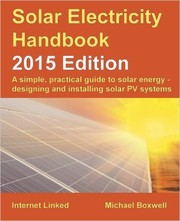
Solar Electricity Handbook by Michael Boxwell is the gentle on-ramp: how photovoltaic systems work, what the components do, and how a small system goes together. With that scaffolding, step up to the industry standards. Photovoltaic Systems by James P. Dunlop is the textbook used in serious training programs — design, installation, and code compliance in one volume. Pair it with Solar PV Engineering and Installation by Sean White, written squarely at the certification exams that credential the field. If you want the deeper engineering context, Solar Energy by Arno H. M. Smets covers the physics and system design at a university level — optional, but it separates installers from designers.
Stage 3: See the whole board
Finish with Electrify by Saul Griffith — the big-picture case for why this build-out is measured in decades, not a hype cycle. It is the book that turns a job choice into a conviction, while staying grounded in engineering rather than slogans.
Your first 90 days
Month one: work through the electricity fundamentals and decide your entry door — solar-specific training program, electrical apprenticeship (the most durable credential in this space), or an entry-level installer job that trains on site. Month two: read Boxwell and start Dunlop; look up the NABCEP Associate exam, the entry credential many employers recognize. Month three: apply. Installer crews hire genuinely green people more readily than most trades — roof work, racking, and wire management are learned on the job — and your reading will show immediately in how fast you move up from the racking crew to the electrical side.
Two honest notes. First, roof work is physical, hot, and higher-risk than ground-level trades; fall protection discipline is non-negotiable. Second, the industry has boom-bust cycles tied to policy — the electrical license is your hedge, because a licensed electrician works in any market. Explore the subject hub, or see the wider electrician hub for the licensure route.
Ready to learn something deeply?
Build a reading path — free