Here is a career-anxiety antidote you can hold in your hand: a wire stripper. AI can draft contracts and generate code, but it cannot crawl through an attic, bend conduit, troubleshoot a dead circuit in a 60-year-old house, or legally sign off on a panel. Electrical work is physical, non-repetitive, safety-critical, and licensed — four properties that make it highly resistant to automation. Demand is not slowing either: every heat pump, EV charger, and solar array is new electrical work.
The catch is that the path in runs through an apprenticeship and a licensing exam, and most career changers show up to apprenticeship applications knowing nothing. Reading is how you jump the line — not by replacing the apprenticeship (nothing replaces supervised hours), but by arriving with the theory and vocabulary that most first-years lack. And order matters enormously here, because electrical books assume a ladder of prerequisites: theory before wiring, wiring before code, code before the exam.
The path, stage by stage
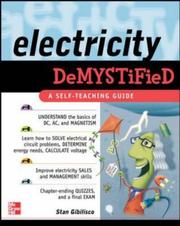
Start with theory. Electricity Demystified by Stan Gibilisco teaches volts, amps, ohms, and circuits from zero, with self-tests — the foundation everything else stands on. Keep Ugly's Electrical References by George V. Hart beside it; this pocket reference of formulas, tables, and symbols is the book working electricians actually carry, and flipping through it early teaches you what the trade considers essential.
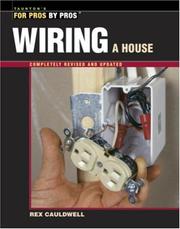
Next, see how theory becomes buildings. Wiring a House by Rex Cauldwell is a master electrician walking you through real residential work — services, circuits, grounding — with strong opinions about doing it right. Follow it with Electrical Wiring, Residential by Ray C. Mullin, the standard classroom text that pairs each task with the rules behind it.
Then comes the law of the land: the National Electrical Code. The code book itself is famously unreadable cold, which is why Illustrated Guide to the National Electrical Code by Charles R. Miller exists — it translates code language into diagrams and plain English. Study the guide alongside the code rather than attempting the code alone.
Exam stage: Electrician's Exam Study Guide by Kimberley Keller drills the calculations and code-lookup speed the licensing exam actually tests. Finally, think ahead to the business. Electrical Estimating Methods by Wayne J. Del Pico teaches you how jobs get priced, and The E-Myth Contractor by Michael E. Gerber is the classic warning about why great tradespeople fail as business owners — worth reading even if self-employment is years away, because contractors who understand money get promoted.
The full reading path sequences all of this into stages with a study plan for each book.
Your first 90 days
Weeks 1 to 4: work through the theory book nightly and apply to apprenticeships — IBEW/NECA programs, ABC chapters, and local contractors all take applicants with no experience. Weeks 5 to 8: continue the residential wiring books and get comfortable reading your local code amendments. Weeks 9 to 12: interviews and aptitude tests; the algebra and reading-comprehension prep is exactly what you have been doing. Books complement the apprenticeship — they cannot replace the supervised hours your state requires for a license, but they can make you the apprentice who gets kept.
Browse the subject hub for more, or zoom out to /subjects/ai-proof-career if you are still comparing trades. The work is real, the ladder is clear, and no algorithm is coming for it.
Ready to learn something deeply?
Build a reading path — free