Here is an uncomfortable fact for knowledge workers: the tasks most exposed to AI are the ones done at a keyboard. Writing, analysis, scheduling, first-draft everything — that is exactly what the new tools do well. What they cannot do is crawl under a house, diagnose a failing weld by sound, or take legal responsibility for work that has to pass inspection. Trade work is done with hands, on site, under licensure — three things software does not have.
That does not mean you should quit Monday. It means the trades deserve a serious look, and a serious look means reading in order — first the why, then the reality, then the money. Skim in random order and you get either romance or fear. The full reading path sequences it properly.
Stage 1: The case for working with your hands
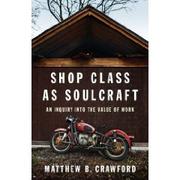
Start with The Second Machine Age by Erik Brynjolfsson to understand the macro picture: why routine cognitive work is being automated faster than skilled manual work. Then read Shop Class as Soulcraft by Matthew B. Crawford — a philosopher-turned-mechanic's argument that manual competence is not a step down from office work but a different, often deeper, kind of thinking. It is the book that turns "maybe I could" into a genuine question.
Stage 2: The unglamorous reality
Blue-Collar Cash by Ken Rusk is the practical counterweight: a contractor's ground-level view of what trade careers actually pay, how apprenticeships work, and what the first years feel like. It is honest about the physical toll, which is exactly why it is worth your time. If you want to feel what learning a trade skill is like before committing, Welding for Dummies by Steven Robert Farnsworth is a low-stakes way to test your appetite for technical, procedural learning — read a few chapters and notice whether you are bored or hooked.
Stage 3: Career strategy and money
So Good They Can't Ignore You by Cal Newport reframes the whole move: passion follows skill, not the other way around, and the trades reward accumulated skill more visibly than most office careers. Then get your finances straight for the transition. The Millionaire Next Door by Thomas J. Stanley shows that many quiet fortunes in America belong to tradespeople and small contractors who spent less than they earned — a useful antidote to status anxiety about leaving a white-collar title behind. Rich Dad, Poor Dad by Robert T. Kiyosaki is the looser, more motivational read on assets and self-employment; take its mindset, verify its specifics elsewhere.
Your first 90 days
Month one: read Stage 1 and list three trades that fit your body, your area, and your patience for licensure. Month two: read Stage 2, then talk to two working tradespeople — most will give you an honest hour. Month three: apply to a pre-apprenticeship program or a community college intro course, and build a six-month cash buffer for the income dip during training. Apprenticeships mean earning while learning, but the first-year pay cut is real and you should plan for it.
Nobody can promise the trades are immune to change — robotics will keep nibbling at the edges. But work that is physical, varied, on-site, and licensed sits about as far from the AI blast radius as work gets. Explore the subject hub for specific trades, or see how this fits the bigger picture at the AI-proof career hub.
Ready to learn something deeply?
Build a reading path — free