The barrier to silent film is not that it is old — it is that most people have only seen it wrong. Prints projected at the wrong speed, scratched dupes, and cartoonish library music produced the jerky, hectic impression that keeps people away. Restored at the correct frame rate with an appropriate score, the same films look composed and modern in ways that surprise almost everyone.
So the reading order starts with a book whose entire purpose is to correct that impression, then builds the historical and analytical scaffolding, then goes deep on specific figures and national movements. One practical instruction: watch as you read. This is a subject where a chapter followed by the film it discusses is worth three chapters alone.
The book that changes how you watch
Start with The Parade's Gone By... by Kevin Brownlow. It is built from interviews with directors, cameramen, editors and stars conducted while they were still alive, and it is both the best oral history of the era and an argument — that the silent period was a sophisticated art form ended prematurely rather than a primitive stage of something better. Brownlow's later restoration work grew out of exactly this conviction. Nothing else on this path will change your viewing as much.
Get the analytical vocabulary
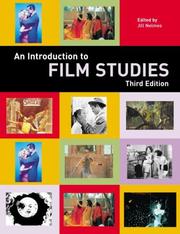
An Introduction to Film Studies, edited by Jill Nelmes, supplies the general toolkit — mise-en-scène, editing, genre, national cinemas, and the main critical approaches. It is a textbook and reads like one, so use it as reference rather than a straight read. Having the vocabulary makes the specialist books far more efficient.
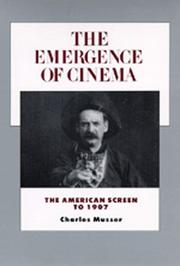
Then The emergence of cinema by Charles Musser covers the beginning properly: the pre-1907 period of the Kinetoscope, the Lumières, exhibition practice, and the shift from attraction to narrative. It is scholarly and detailed, and it corrects the tidy origin myths most people carry.
The comedians, who are the way in
Chaplin, his life and art by David Robinson is the definitive biography — thorough on the working method, the studio, and the long production of individual films. Buster Keaton by Edward McPherson is the more approachable modern treatment of the filmmaker many now consider the era's finest technician, and it is good on how his gags were engineered rather than improvised. Harold Lloyd by Adam Reilly covers the third of the great comedians, whose reputation lagged because his films were kept out of circulation for decades.
If you are converting a sceptical friend, start them on Keaton and Lloyd features rather than on anything from the previous section.
National movements and the end of the era
From Caligari to Hitler by Siegfried Kracauer is the famous, contested study of Weimar cinema, arguing that German films of the 1920s revealed the collective psychological currents that led to Nazism. Later scholars have criticised its retrospective determinism heavily. Read it as a landmark argument worth engaging with rather than as an account to accept, because the films it discusses are extraordinary regardless.
Kino A History Of The Russian And Soviet Film by Jay Leyda covers the Soviet montage school and its context — Eisenstein, Vertov, Kuleshov — from a writer who was there. Then The speed of sound by Scott Eyman narrates the transition to talkies between 1926 and 1930: the technology, the careers it ended, and the artistic capacities that were lost in the changeover.
Close with Silent Movies by Peter Kobel, an illustrated survey drawn from Library of Congress holdings. It is the browsing book of the path, and its images of lost and surviving material make the scale of film loss concrete — roughly three-quarters of American silent features no longer exist.
If genre history is your interest, the film noir path picks up two decades later. Follow the full path to read these in order.
Follow the full ordered path here: Best Books on Silent Film, in Reading Order.