"Shadow work" has become a social-media buzzword, which hides that it is a serious idea from depth psychology with nearly a century behind it. The shadow, in Carl Jung's sense, is everything about ourselves we have disowned — the traits we deny, project onto others, and are secretly ruled by. Working with it is uncomfortable and rewarding, and it goes badly when people grab exercises without understanding the concept. So this path starts with the idea and only then reaches the practices.
Read in order and you move from what the shadow is, to why owning it matters, to how to actually do the integrating work.
Stage 1: meet the shadow
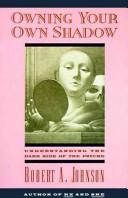
Start with A little book on the human shadow by Robert Bly, a short, poetic introduction to the concept — how we put our disowned parts into a "bag" we drag behind us. Follow it with Owning your own shadow by Robert A. Johnson, the clearest concise account of why reclaiming those parts is essential to becoming whole.
Stage 2: the wider Jungian frame
Set the shadow inside Jung's larger map. Man and His Symbols by Carl Gustav Jung is the accessible introduction to his ideas — the unconscious, archetypes, and symbols — that he wrote for general readers. Meeting the shadow by Connie Zweig and Jeremiah Abrams is a rich anthology showing the shadow at work in relationships, work, and society.
Stage 3: do the work
Now the practices, with the understanding to use them well. The dark side of the light chasers by Debbie Ford is a popular, exercise-driven guide to reclaiming projected traits. Inner Work, again by Robert A. Johnson, teaches concrete methods — dream work and active imagination — for engaging the unconscious directly, and The shadow effect by Deepak Chopra and co-authors offers several voices on the same theme.
Stage 4: hold it with compassion
Integration requires kindness, or it curdles into self-attack. Radical acceptance by Tara Brach brings a Buddhist-informed practice of meeting yourself, including the disowned parts, without condemnation — the emotional container that makes shadow work healing rather than harsh.
How to study it
Shadow work is done in a journal, not just in your head. As you read, notice what you judge harshly in others — strong reactions are reliable arrows pointing at your own shadow — and write about it honestly. Go gently; this can stir up difficult material. If it opens something heavy, especially trauma, these books are best paired with a therapist. They are tools for self-understanding, not a replacement for professional care.
The staged version, with a study plan per stage, is the full reading path. Browse the subject hub, or build your own list.
Ready to learn something deeply?
Build a reading path — free