When a diagnosis of dementia arrives, families need two very different things: to understand what is happening, and to know what to do on Tuesday morning. Reaching for a thick care manual first is overwhelming, and reaching only for memoirs leaves you unprepared for the practical grind. The right order gives you a felt understanding before the logistics, so the day-to-day advice lands with meaning rather than dread.
This path moves from experience to practical care to the harder questions of meaning and the end of life. It is written for the people doing the caring as much as for understanding the disease.
Stage 1: understand from the inside
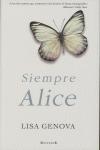
Start with Still Alice by Lisa Genova, a novel that puts you inside the experience of early Alzheimer's more vividly than any textbook — the best possible entry into empathy. Then A curious kind of widow by Ann Davidson and Surviving Alzheimer's by Paula Spencer Scott bring the caregiver's lived reality into focus before the manuals begin.
Stage 2: the essential care manual
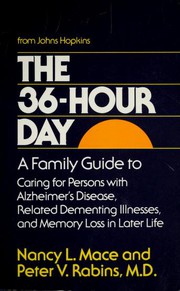
Now the indispensable one. The 36-hour day by Nancy L. Mace and Peter V. Rabins is the standard family caregiving guide — practical, comprehensive, and humane on everything from daily routines to difficult behaviors and self-care. If you read one book on this list front to back, make it this. Dementia with Dignity by Gail Weatherill adds hands-on strategies for the middle stages.
Stage 3: connection and approach
Care is also about how you relate, day to day. Creating moments of joy along the Alzheimer's journey by Jolene Brackey reframes success as good moments rather than fixed problems. Contented Dementia by Oliver James offers a specific, gentle communication method many families find transformative for reducing distress.
Stage 4: meaning and the end of life
The hardest questions deserve wise company. Being Mortal by Atul Gawande is essential on what a good end of life can look like and how to make decisions aligned with what matters. The Myth of Alzheimer's by Peter Whitehouse and Danny George offers a thoughtful, questioning perspective on how we frame the condition. Approach Alzheimer's Disease: What If There Was a Cure by Mary T. Newport as one family's account rather than established treatment.
How to study it
Read at the pace your situation allows, and let the manual be a reference you return to rather than a book you finish. Keep The 36-hour day within reach for the specific problems that arise. Above all, take the caregiver self-care sections seriously — burnout helps no one. These books support families; they do not replace medical care, and diagnosis, treatment, and safety decisions belong with the clinicians involved.
The staged version, with a study plan per stage, is the full reading path. Browse the subject hub, or build your own list.
Ready to learn something deeply?
Build a reading path — free