"Just relax" is useless advice for a body stuck in high alert, and most people trying to calm down attack the problem from the top — with willpower and reasoning — which is exactly where the nervous system does not listen. Regulation is a bottom-up skill: you work through the body and the breath, guided by an understanding of how the stress response actually operates. The reading order here reflects that, moving from science to theory to practice.
Get the mechanism first and the techniques later stop feeling like tricks. You will know why a long exhale settles you and why safety cues matter more than pep talks.
Stage 1: how stress works in the body
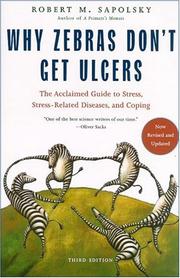
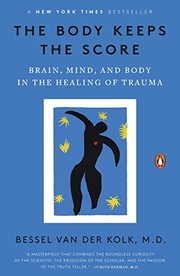
Start with Why Zebras Don't Get Ulcers by Robert M. Sapolsky, the definitive, witty account of the stress response and what chronic activation does to a body built for short emergencies. Then The Body Keeps the Score by Bessel van der Kolk shows how overwhelming stress and trauma live in the nervous system, not just the mind — the bridge to everything that follows.
Stage 2: the polyvagal map
This is the theory that organizes modern regulation work. The Pocket Guide to the Polyvagal Theory by Stephen W. Porges introduces the model — how the vagus nerve governs states of safety, mobilization, and shutdown — from the researcher himself. The Polyvagal Theory in Therapy and Anchored, both by Deb Dana, translate it into a usable map of your own states and how to shift between them.
Stage 3: practical regulation
Now the hands-on tools. Accessing the healing power of the vagus nerve by Stanley Rosenberg offers concrete exercises for the nerve at the center of it all. Breath by James Nestor makes the case that how you breathe continuously tunes your state, and Waking the tiger by Peter A. Levine explains how the body discharges stress it has been holding.
Stage 4: apply it to real life
Bring it into daily pressures. The stress-proof brain by Melanie Greenberg gives practical strategies for managing the stress response day to day, and Burnout by Emily and Amelia Nagoski shows how to actually complete the stress cycle rather than carrying it — especially valuable for anyone running on empty.
How to study it
Regulation is a practice, not a concept, so pick one or two techniques and do them daily rather than collecting a dozen. A short breathing practice done every morning will teach your body more than a stack of unread chapters. Notice your states through the day using the polyvagal map — naming "I'm mobilized" or "I'm shutting down" is itself regulating. These books are self-help education; they do not replace therapy or medical care, and persistent anxiety, trauma, or panic deserve a qualified professional alongside your reading.
The staged version, with a study plan per stage, is the full reading path. Browse the subject hub, or build your own list.
Ready to learn something deeply?
Build a reading path — free