Roughly a million books are self-published every year, and the median one sells fewer than a hundred copies. The gap between that median and the indie authors quietly earning a living is not luck, and it is mostly not talent. It is that successful self-publishers treat it as two crafts, writing and publishing, and learn both deliberately.
Order matters because each stage compounds into the next. Marketing cannot rescue an unedited book. Editing cannot rescue a story with no spine. So the path runs: craft, then edit, then publish, then sell. Skipping ahead to the marketing books first is the most common mistake, and it produces well-promoted books nobody finishes.
Stage 1: write a book worth publishing
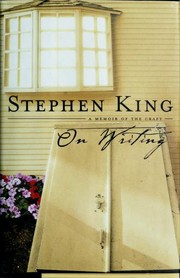
Start with On Writing by Stephen King, half memoir and half toolbox, and still the best single book for making prose cleaner and honest about how much rewriting the job takes. Then read 2k to 10k by Rachel Aaron, a short, practical book on drafting faster by planning scenes before you write them. Speed matters more in self-publishing than in traditional publishing, because indie careers are built on a steady release schedule.
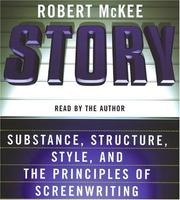
If you write fiction, add Story by Robert McKee. It is aimed at screenwriters, but its treatment of structure, scene design, and character desire is the deepest available, and novels fail for the same structural reasons scripts do.
Stage 2: edit like a professional
Self-Editing for Fiction Writers by Renni Browne is the bridge between a finished draft and a publishable manuscript, written by professional editors who show real before-and-after passages. Work through it before hiring an editor and you will get far more value from the one you hire. For your cover and interior, The Non-Designer's Design Book by Robin Williams teaches the four design principles that separate amateur covers from professional ones. Readers absolutely judge books by covers; this is not optional.
Stage 3: publish and sell
Let's Get Digital by David Gaughran is the definitive orientation to the self-publishing landscape: platforms, royalties, pricing, and the scams that prey on new authors. Read it before spending a dollar. Then build your long game with Your First 1000 Copies by Tim Grahl, which lays out the permission-marketing system, an email list plus genuine usefulness, that underpins nearly every durable author career. Platform by Michael Hyatt widens that into a general audience-building playbook.
When you are ready to spend money on ads, and not before, Mastering Amazon Ads by Brian Meeks turns Amazon advertising into a numbers game you can actually manage, with the spreadsheets to prove it.
How to actually study this
Read stage 1 while drafting; apply one technique per writing session. Read the editing books between draft one and draft two, not before you have a draft. Start the Grahl and Hyatt material three months before launch, because an email list needs runway. And set a budget ceiling before opening the ads book. Every stage should end with an artifact: a finished draft, a revised manuscript, a cover brief, a launch plan.
The full reading path stages all ten books with study plans. Explore more at the self-publishing hub, or browse other paths on Discover.
Ready to learn something deeply?
Build a reading path — free