Here is the uncomfortable truth about newsletters: most of them fail before the growth tactics ever matter. People obsess over platforms, send times, and subscriber funnels while publishing prose nobody would forward to a friend. The audience-building advice all works — but only on top of writing worth an inbox slot. Which is why the reading order matters more here than almost anywhere else.
Writing Online: Best Books to Start a Newsletter & Grow It
July 11, 2026 · 2 min read
Why order matters here
Online writing advice comes in three layers: craft (can you write a clear sentence?), publishing (can you share work consistently without imploding?), and growth (can you get strangers to care?). Read them backwards — growth first — and you will efficiently distribute mediocre writing. Read them in order and each layer compounds: better sentences make sharing easier, and consistent sharing makes every growth tactic actually work.
The path, stage by stage
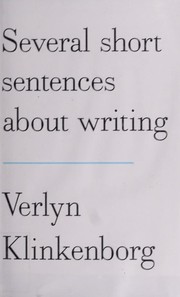
Fix the sentences first. On Writing Well by William Zinsser is the standard for clear nonfiction — clutter removal, warmth, and the discipline of rewriting. Then read Several Short Sentences About Writing by Verlyn Klinkenborg, which breaks your habit of writing on autopilot by forcing attention onto one sentence at a time. These two will do more for your open rates than any subject line formula.
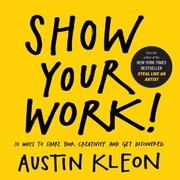
Then learn to publish. Show Your Work! by Austin Kleon is the gentlest possible push to share process publicly before you feel ready — the exact mental unlock a newsletter requires. Its companion Steal Like an Artist frees you from the paralysis of originality: your first fifty issues will be influenced by writers you admire, and that is how it is supposed to work.
Now make it professional. Everybody Writes by Ann Handley is the working manual for content that serves a reader — useful, scannable, honest — and it speaks the language of newsletters natively. Follow with This Is Marketing by Seth Godin, which reframes growth as finding the smallest audience you can genuinely serve, the single healthiest frame for a new newsletter.
Finish with reach. Contagious by Jonah Berger explains, with actual research, why some ideas get shared and most don't — practical for shaping stories and subject lines. And Platform by Michael Hyatt covers the unglamorous infrastructure of being findable and building an email list on ground you own. If you go on to sell anything, The Adweek Copywriting Handbook by Joseph Sugarman is the natural bridge into persuasion.
The complete sequence, staged with study plans, lives in the full reading path.
How to actually study this
Publish while you read — this path only works alongside a real newsletter, even one with five subscribers. During the craft stage, edit one old piece per week using what you learned. During the publishing stage, ship on a fixed schedule for eight weeks without checking stats. Only in the growth stage do you look at numbers, and only to test one idea at a time.
Start at the writing online hub, or create your own reading list if you want to tailor the path to your niche.
FAQ
- What should I read before starting a newsletter?
- Start with craft: On Writing Well and Several Short Sentences About Writing. A newsletter people forward is built on clear prose, not growth hacks.
- How do newsletters actually grow?
- Mostly through consistent, forwardable writing aimed at a specific audience. This Is Marketing and Contagious cover the honest mechanics of word of mouth.
- How often should a new newsletter publish?
- Pick a cadence you can sustain for six months — weekly or biweekly for most people. Consistency beats frequency.
Get the books
- 1On Writing WellAmazon ↗William Zinsser
- 2Several short sentences about writingAmazon ↗Verlyn Klinkenborg
- 3Show Your Work!Amazon ↗Austin Kleon
- 4Everybody WritesAmazon ↗Ann Handley
- 5Steal like an artistAmazon ↗Austin Kleon
- 6This is marketingAmazon ↗Seth Godin
As an Amazon Associate we earn from qualifying purchases. Some book links are affiliate links; you pay the same price and we may earn a small commission.
Follow the full reading path

Write online: build an audience with a newsletter
Beginner9books58 hrs4 stages
@worksherpa♥ 0
Ready to learn something deeply?
Build a reading path — free