Learning Greek begins with a hurdle most languages skip: a new alphabet. Until the script is automatic, every word is a decoding puzzle and progress feels glacial. Rush past it into grammar or reading and you will keep stumbling on the mechanics. That is why the very first book in a good Greek path is about the letters, not the language.
From there the arc is standard but powerful: alphabet, then a real course and grammar, then graded reading, then literature — each stage clearing the way for the next.
Master the script and the basics
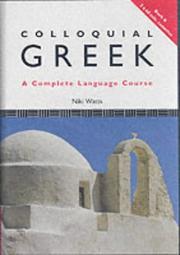
Start with Greek Alphabet Mastery by Clayton Hemm, a short, focused book that makes reading and writing the letters automatic so everything after it goes faster. Then take up a full course: Colloquial Greek by Niki Watts teaches modern spoken Greek in graded lessons. Keep Greek: an essential grammar of the modern language beside it as your reference for the case system and verb forms — the structural backbone you will lean on constantly.
Bridge to reading
Once you can read the script fluently and know the basic grammar, start controlled reading. Readers in Modern Greek graded from A1 to B1 gives you texts pitched to your level, the crucial bridge that turns rules into fluency. This is the stage where words finally start sticking on their own.
Read Greek literature
Now the reward. The Little Prince in Greek is a classic first "real book" — a story you likely already know, in language simple enough to follow. Then reach for Zorba the Greek by Nikos Kazantzakis, the exuberant novel of appetite and philosophy that is practically a national text, and for the ambitious, Ιστορία της Νεοελληνικής Λογοτεχνίας by Linos Politis surveys the whole history of modern Greek literature to guide where you read next.
A quick honesty check: this path builds strong reading, grammar, and vocabulary, but speaking Greek needs live practice. Once you can read comfortably, add a tutor or exchange partner to activate the language. Note too that this covers modern Greek; ancient Greek is a related but separate study. Follow the full reading path, or browse the subject hub.
Ready to learn something deeply?
Build a reading path — free