Running is the rare sport where the hard part isn't technique — it's not overdoing it in week one. Almost everyone who quits does so because they ran too far, too fast, before their body or their motivation could keep up. A good reading order fixes that by starting with mindset and consistency, then layering in form and physiology only once you're actually running regularly.
The books below move from "just get out the door" to "understand what's happening in your legs." Read them in sequence and you'll build a runner who lasts, not one who flames out after a strong first fortnight.
Start with the habit and the head
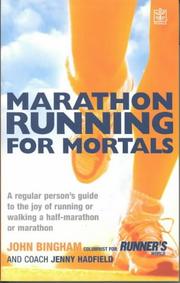
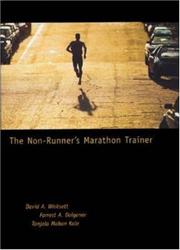
Begin with Marathon running for mortals, which reframes running around ordinary people rather than gifted athletes — permission to be slow, walk when you need to, and still call yourself a runner. Pair it with The non-runner's marathon trainer, a program built specifically for people who don't identify as athletic, which is where most beginners actually stand. Then read Run: The Mind-Body Method of Running by Feel to learn to gauge effort by sensation instead of chasing pace, the single skill that keeps early runs sustainable.
When you're ready for a first real goal, Hal Higdon's Half Marathon Training gives you a trusted, gradual plan that assumes you're new and won't blow you up.
Fix your form and understand your body
Once you're running consistently, technique starts to matter. Chi Running offers a posture-and-cadence approach that many beginners find easier on the knees, while Runner's world, the runner's body explains the physiology underneath — what adapts, how, and why rest is part of training. Racing weight handles the nutrition and body-composition side honestly, without crash-diet nonsense.
Stay healthy and go faster
Injury prevention is what separates lifelong runners from one-season ones. Anatomy for runners shows how your specific mechanics create (or avoid) common injuries, and Ready to run gives a practical checklist of mobility standards to hit before you ramp up mileage. When you want to train smarter rather than just harder, 80/20 running makes the case for running most of your miles easy and only a little hard — counterintuitive, well-supported, and beginner-safe.
Finish with Born to Run, less a manual than a spark: the story that reminds you why humans run at all, and that keeps you lacing up.
Follow the full path in order and you'll go from first jog to first race with your knees, and your enthusiasm, intact.
Follow the full reading path →
Ready to learn something deeply?
Build a reading path — free