High-intensity interval training gets sold as a magic shortcut: minutes instead of hours, huge results. The truth is more interesting — intervals genuinely work, but only when you understand what intensity does to the body and how much recovery it demands. Read the hype-first books and you'll burn out; read the science first and you'll train for years.
This path moves from the general case for exercise, to the specific mechanics of intervals, to the recovery that makes it all sustainable. That order matters: intensity without recovery isn't a program, it's an injury waiting to happen.
Why exercise works at all
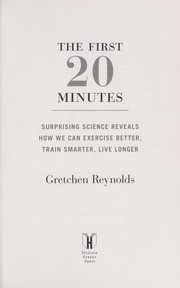
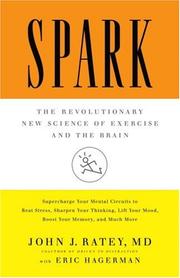
Start broad with The first 20 minutes, which surveys what exercise science actually shows about movement, intensity, and health — a grounding in evidence before you commit to any method. Spark then makes the case for what training does to your brain, a motivation that outlasts any aesthetic goal. The sports gene rounds out the picture by explaining how much of performance is trainable versus inherited, so your expectations stay realistic.
The mechanics of intervals
Now go specific. The one-minute workout is the flagship, written by a lead HIIT researcher — it lays out protocols, the physiology of short intense bursts, and honest limits. Body by science argues the extreme end: brief, very intense strength work, a useful counterweight even if you don't adopt it wholesale. For endurance-flavored intervals, Daniels' running formula is the classic on pacing zones and structured intensity, and Training for the Uphill Athlete extends interval thinking to mountain and endurance sport.
Train smart and recover
The deeper you go, the more recovery becomes the limiting factor. The science of running explains how to balance stress and adaptation across a training block, and Endure explores where the real ceiling on effort lives — as much in the brain as the muscles. Close with The athlete's guide to recovery, which turns rest, sleep, and deload into an actual plan rather than an afterthought.
Follow the full path and you'll treat intensity as a tool you can dose, not a wall you keep running into.
Follow the full reading path →
Ready to learn something deeply?
Build a reading path — free