Weight loss is buried under contradictory advice, and most of it skips the part that matters: understanding why bodies gain and hold fat in the first place. When you grasp the mechanisms, the endless diet debates resolve into something you can reason about — and you stop white-knuckling rules you don't understand. That's why reading order matters here. Build the theory, then the biology of appetite, then the habits that turn knowledge into a lasting change.
One honest note up front: these books explain the science and inform your choices, but they complement — not replace — advice from a doctor or dietitian, especially if you have a medical condition. With that said, here's the path.
Understand why we gain weight
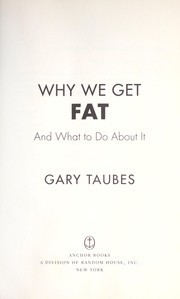
Start with Why we get fat by Gary Taubes, the accessible case that reframes obesity around hormones and carbohydrate, not just calories in versus out. Then The obesity code by Jason Fung extends the argument to insulin's central role, and Always hungry? by David Ludwig turns the theory toward a practical, biology-based approach. Together they give you a coherent model to reason from instead of a list of rules.
Learn how appetite really works
The next layer explains why willpower so often loses. The hungry brain by Stephan Guyenet is the essential, evidence-driven account of how the brain regulates appetite and body weight — arguably the most useful single book here for understanding your own hunger.
Turn understanding into habits
Knowledge doesn't move the scale; behavior does. Atomic Habits by James Clear and The Power of Habit by Charles Duhigg are the two best guides to actually changing daily behavior, which is where every sustainable result is won or lost.
Round out the picture
Finally, widen the lens. How Not to Diet by Michael Greger offers a thorough, research-packed survey of evidence-based weight-loss strategies. Good calories, bad calories by Gary Taubes is the deep, rigorous companion to his earlier book for readers who want the full scientific argument. The Body by Bill Bryson gives you an engaging tour of the human body that makes the whole system feel less abstract, and Burn by Herman Pontzer overturns common myths about metabolism and exercise with real research — a bracing, myth-busting close.
Follow the path in order and fat loss becomes something you understand rather than something you battle — and understanding is what makes change stick.
Follow the full reading path →
Ready to learn something deeply?
Build a reading path — free