One day you are someone's child; then a fall, a diagnosis, or a confused phone call makes you something else — a caregiver, unpaid and untrained, for the people who raised you. Forty million Americans are doing this right now, and most are improvising. The improvisation is what burns people out: every crisis is a surprise, every conversation a standoff. Reading will not make this easy. Read in the right order, though, and almost nothing will blindside you.
Caring for Aging Parents: Books to Read, in Order
July 11, 2026 · 2 min read
Why order matters here
The natural instinct is to research the disease first. But the bottleneck in eldercare is rarely information — it is communication and stamina. Learn to talk with your parents before the crisis, understand the long arc you are entering, and only then go deep on dementia, loss, and the end.
The path, stage by stage
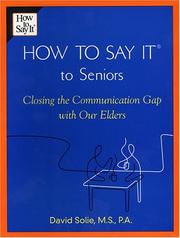
Start with How to Say It to Seniors by David Solie. His central insight — that older adults are driven by a need for control and legacy, which is why direct pressure backfires — will change every conversation about driving, moving, and money. Pair it with Talking with Your Aging Parents by Mark Edinberg for more scripts on the hardest topics.
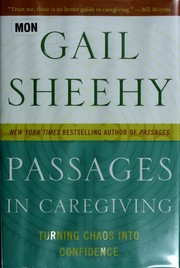
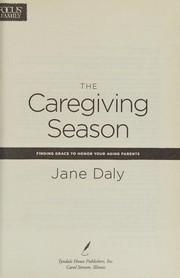
Then zoom out to the whole journey. Passages in Caregiving by Gail Sheehy maps caregiving as a long labyrinth with predictable turnings, so you can see where you are and what is coming. Caregiving Season by Jane Daly speaks honestly to the emotional and spiritual toll — including the guilt and resentment nobody admits to.
If dementia enters the picture, two books are essential. The 36-Hour Day by Nancy Mace is the standard family guide to Alzheimer's and related dementias — practical, unflinching, and organized for exhausted people. Creating Moments of Joy by Jolene Brackey is its emotional counterweight: how to stop correcting and start connecting with a person who is changing.
Finish with the losses. Ambiguous Loss by Pauline Boss names the grief of losing someone who is still alive — the defining ache of dementia caregiving. And Being Mortal by Atul Gawande is the essential book on what medicine gets wrong about aging and dying, and how to have the conversations that keep your parent's priorities at the center of their final years.
How to actually study this
Read ahead of your stage, not just in it — the chapters you need next are cheaper to read before the crisis. After the communication stage, have one real conversation with your parents about their wishes. Loop in professionals early: a geriatric care manager, your parent's doctor for any medical decisions, and an elder-law attorney for the paperwork. And build your own respite into the plan from day one; burned-out caregivers help no one.
The staged plan is at the full reading path. Adjacent routes live in the aging parents hub, or browse all paths.
FAQ
- What is the best book to read first when parents start declining?
- How to Say It to Seniors by David Solie. Communication is the first bottleneck, and it makes every later conversation — medical, financial, housing — go better.
- What is the best book for dementia caregivers?
- The 36-Hour Day by Nancy Mace is the standard practical guide; Creating Moments of Joy helps with the emotional side of connecting as the disease progresses.
Get the books
- 1How to Say It to SeniorsAmazon ↗David Solie
- 2Passages in caregivingAmazon ↗Gail Sheehy
- 3Caregiving SeasonAmazon ↗Jane Daly
- 4Talking with your aging parentsAmazon ↗Mark A. Edinberg
- 5AARP's guide to revitalizing your home beautiful living for the second half of life reimagine, redesign, remodelAmazon ↗Rosemary Bakker
- 6The 36-hour dayAmazon ↗Nancy L. Mace
As an Amazon Associate we earn from qualifying purchases. Some book links are affiliate links; you pay the same price and we may earn a small commission.
Follow the full reading path
Care for aging parents without burning out
Beginner10books51 hrs4 stages
@wellsherpa♥ 0
Ready to learn something deeply?
Build a reading path — free