True crime is the most popular nonfiction genre going, and also the most morally slippery. Consumed carelessly, it is voyeurism with a body count. Read deliberately, it is one of the best available educations in evidence, memory, institutional failure, and how easily a confident story outruns the facts.
This path is built for the second kind of reading, and the order is the point: great narratives first, then the science of evidence, then the books that show how often both go wrong. Read the wrongful-conviction books last and they land as a correction; read them first and they are just another set of stories.
Stage 1: the genre at its best
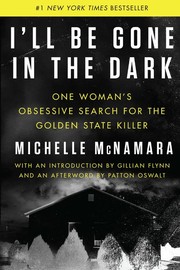
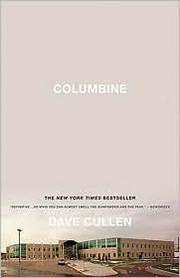
Start with I'll Be Gone in the Dark by Michelle McNamara, the Golden State Killer investigation that models what ethical obsession looks like — victim-centered, methodical, honest about uncertainty. Then Columbine by Dave Cullen, a decade of reporting that dismantles nearly everything the public believed about the attack; no book better demonstrates how first-draft narratives calcify into myth. Add Lost girls by Robert Kolker, which keeps its gaze on the victims of the Long Island serial killings and on the class dynamics that determined whose disappearances were investigated at all.
The Feather Thief by Kirk Wallace Johnson is the outlier, and a deliberate one: a theft of rare bird skins from a British museum, with nobody harmed and a good deal at stake. It is here to break the assumption that true crime means murder, and because the investigation it describes — motive, obsession, an institution that would rather not look closely — is the genre's real subject matter stripped of the body.
Stage 2: what evidence actually is
Stiff by Mary Roach is an irreverent, humane tour of what cadavers teach us, the foundation under forensic pathology. The poisoner's handbook by Deborah Blum tells how forensic toxicology was invented in Jazz Age New York, when chemistry first started catching killers. Then Forensics by Val McDermid surveys the modern disciplines, fingerprints to fibers to DNA, with a crime writer's clarity about what each method can and cannot prove. That last distinction is the hinge of the whole path.
Stage 3: when the system convicts the wrong person
Now the correction. The cadaver king and the country dentist by Radley Balko documents how junk forensic testimony — bite marks especially — sent innocent men to death row in Mississippi. Picking Cotton by Jennifer Thompson-Cannino is the astonishing first-person account of an eyewitness identification gone wrong, co-written by the victim and the man she wrongly identified; it will permanently recalibrate your trust in confident memory.
A Death in Belmont by Sebastian Junger is the most uncomfortable book here and the one that most rewards the order. Junger revisits a 1963 murder near his childhood home for which a Black man was convicted, while a man later identified as the Boston Strangler was working on the family's house. Junger does not resolve it, and he has been criticised by the victim's and the defendant's families for reopening it at all. Read it as a case study in what a writer owes the people in the story, which is a question the whole genre keeps having to answer.
Then widen from bad forensics to bad process. Conviction Machine by Harvey A. Silverglate argues that the federal system's ordinary incentives — vague statutes, charge-stacking, and plea bargaining that makes going to trial irrational — produce wrongful outcomes without anyone breaking a rule. It is an advocate's book with a clear point of view, and prosecutors dispute much of it; read it as the strongest version of that argument rather than as a settled account.
Finish with Just Mercy by Bryan Stevenson, the finest book on capital defense and what mercy demands of a justice system, and Say Nothing by Patrick Radden Keefe, which stretches the genre to political violence in Northern Ireland and shows what the form can do at its ceiling.
How to actually study this
Read with two running lists: claims the author verifies, and claims the author inherits. When a book cites a forensic method, check whether stage 2 gave you reasons for confidence or doubt — bite marks and hair comparison read very differently after Balko. And apply the genre's own test to itself: who benefits from this narrative, and whose voice is missing?
The staged plan with study notes is the full reading path. Adjacent routes — psychology, forensic chemistry, the courts — live on the subject hub, or browse Discover.