The comforting story about cults is that they recruit the gullible. The evidence says otherwise: high-control groups recruit idealists, achievers, and people in transition, using influence techniques that work on approximately everyone. The right way into this subject is not the lurid documentary tour — it is understanding ordinary persuasion first, because a cult is ordinary persuasion with the exits removed.
How Cults Work: Books on High-Control Groups, in Order
July 11, 2026 · 2 min read
Why order matters here
Start with survivor memoirs and you learn what happened; you will not yet see how. Start with the psychology of everyday influence, add the classic research on coercion, and the memoirs become case studies you can read like an analyst.
The path, stage by stage
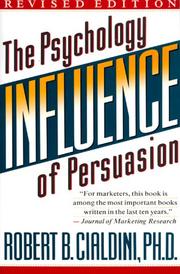
Begin with Influence by Robert Cialdini — the standard text on the six levers of persuasion (reciprocity, commitment, social proof, authority, liking, scarcity) that every high-control group pulls hard. Then read Mistakes Were Made by Carol Tavris, on cognitive dissonance and self-justification: the machinery that keeps people in a group long after the evidence turns, because leaving would mean admitting the sunk cost.
Now the foundational research. Thought Reform and the Psychology of Totalism by Robert Jay Lifton, built on interviews with survivors of Chinese re-education programs, gives you the eight criteria — milieu control, loaded language, sacred science — that remain the field's standard diagnostic. Follow it with Combatting Cult Mind Control by Steven Hassan, a former Moonie turned counselor, whose BITE model (behavior, information, thought, emotional control) is the practical toolkit most exit counselors use. Terror, Love, and Brainwashing by Alexandra Stein adds the modern attachment-theory account: cults bond members the way abusive relationships do, through cycles of fear and comfort.
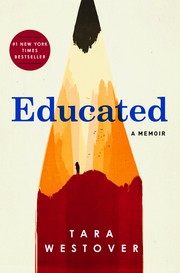
Then watch it happen. The Road to Jonestown by Jeff Guinn traces Jim Jones from idealistic preacher to mass death, showing the gradient — no single step looked insane. Educated by Tara Westover and Troublemaker by Leah Remini are survivor accounts of, respectively, a survivalist family system and Scientology; with the frameworks in hand, you will see every mechanism on the page. Finally Coercive Control by Evan Stark extends the analysis to intimate relationships — the same architecture at household scale, which is where most readers will actually encounter it.
How to actually study this
As you read, build your own checklist of warning signs from Lifton and Hassan, then test it against each memoir. Notice that the mechanisms also appear, diluted, in workplaces, multi-level marketing, and online communities — calibrating that spectrum is the real skill. And a safety note: if you or someone you love is untangling from a high-control group or a coercive relationship, this is territory for professional support — a therapist experienced with cult recovery, or a domestic-violence hotline where control has turned dangerous.
The staged plan is at the full reading path. Adjacent routes live in the cults hub, or browse all paths.
FAQ
- What kind of person joins a cult?
- Research finds no gullibility profile. Recruits are often idealistic, capable people in life transitions — the techniques exploit universal psychology, not low intelligence.
- What is the best book on cult psychology?
- Thought Reform and the Psychology of Totalism by Robert Jay Lifton is the foundational research; Steven Hassan and Alexandra Stein build the modern practical models on top of it.
Get the books
- 1InfluenceAmazon ↗Robert B. Cialdini
- 2Mistakes Were Made (But Not by Me)Amazon ↗Carol Tavris
- 3EducatedAmazon ↗Tara Westover
- 4TroublemakerAmazon ↗Leah Remini
- 5The road to JonestownAmazon ↗Jeff Guinn
- 6Thought reform and the psychology of totalismAmazon ↗Robert Jay Lifton
As an Amazon Associate we earn from qualifying purchases. Some book links are affiliate links; you pay the same price and we may earn a small commission.
Follow the full reading path

How cults work
Beginner10books88 hrs5 stages
Ready to learn something deeply?
Build a reading path — free