Loving parents of anxious kids often do the most natural thing — reassure, rescue, remove the scary thing — and watch the anxiety grow anyway. That is the cruel twist of childhood anxiety: accommodation feels kind but teaches a child that the feared thing really is dangerous and they cannot cope. Understanding this mechanism first is what makes the strategies in the later books make sense, so this path leads with the why before the how.
From understanding, it moves to concrete parenting approaches, then to building the emotional skills every child needs, and finally to the more stubborn cases.
Stage 1: understand child anxiety
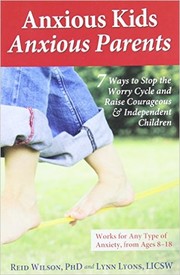
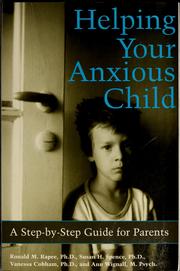
Start with Anxious kids, anxious parents by Reid Wilson and Lynn Lyons, which explains how anxiety works in children, how families accidentally feed it, and the counterintuitive shift toward encouraging kids to face worry rather than avoid it. Helping your anxious child by Ronald M. Rapee grounds this in an evidence-based, step-by-step CBT approach.
Stage 2: practical strategies
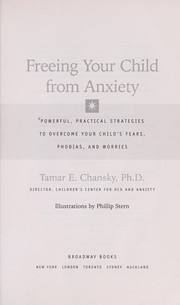
Now the toolkit. Freeing your child from anxiety by Tamar Chansky offers a practical, warm program of techniques for the everyday moments where anxiety flares. The Opposite of Worry by Lawrence J. Cohen brings a playful, connection-first lens — using humor and games to help kids move through fear.
Stage 3: build emotional skills
Resilience rests on emotional foundations. The whole-brain child by Daniel J. Siegel explains how a child's developing brain handles big feelings and how to help integrate them. Raising an emotionally intelligent child by John Gottman teaches emotion coaching — meeting a child's feelings in a way that builds regulation rather than shutting it down. Don't overlook the basics: Solve your child's sleep problems by Richard Ferber addresses sleep, which both worsens and is worsened by anxiety.
Stage 4: the stubborn cases
For anxiety that will not budge, Breaking Free of Child Anxiety and OCD by Eli R. Lebowitz offers the SPACE approach, which works by changing the parents' accommodating behavior rather than requiring the child to change first — powerful when a child resists treatment.
How to study it
Read the first book fully before changing your approach, because the core shift — reducing accommodation while staying warm — is counterintuitive and easy to get wrong. Then practice one strategy at a time and give it weeks, not days. Consistency between caregivers matters enormously, so share what you are learning with your co-parent. These books support parents; they do not replace professional care. If anxiety is severe, involves panic, or interferes with school and daily life, a child mental-health professional should be involved.
The staged version, with a study plan per stage, is the full reading path. Browse the subject hub, or build your own list.
Ready to learn something deeply?
Build a reading path — free