A lot of people resist self-compassion because they suspect it is a nice word for letting yourself off the hook — that self-criticism is what keeps them sharp. The research says the opposite: harsh self-judgment tends to fuel anxiety and avoidance, while self-compassion supports resilience and motivation. Getting there requires understanding what self-compassion actually is before trying to practice it, which is exactly the order this path follows.
Learn the concept and its evidence, then build the practice, then bring it to the situations where being kind to yourself is hardest.
Stage 1: understand the concept
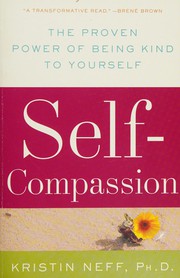
Start with Self-compassion: the proven power of being kind to yourself by Kristin Neff, the foundational book by the researcher who defined the field. It lays out the three components — self-kindness, common humanity, and mindfulness — and dismantles the myth that self-compassion makes you complacent. I Thought It Was Just Me by Brené Brown adds the crucial insight that shame thrives in secrecy and isolation.
Stage 2: build the practice
Now turn concept into habit. The mindful path to self-compassion by Christopher K. Germer offers a gentle, structured program of practices and meditations. Self-Compassion: Step by Step by Tara Brach and Radical acceptance, also by Brach, deepen the meditative side — meeting yourself, including your pain, without turning away.
Stage 3: strengthen and apply it
Self-compassion is not only softness. Fierce Self-Compassion by Kristin Neff shows its assertive, protective side — the compassion that says no, sets boundaries, and stands up for yourself. The compassionate mind by Paul Gilbert grounds all of this in the science of how our threat and soothing systems work, which makes the practice feel less abstract.
Stage 4: where it is hardest
Bring it to real relationships and failings. The Gifts of Imperfection by Brené Brown is about living wholeheartedly despite the pull toward perfection, and Why won't you apologize? by Harriet Lerner applies self-compassion and accountability to repair — how to own harm without collapsing into shame.
How to study it
Self-compassion is built through practice, not insight alone, so do the exercises. Try the self-compassion break when you catch the inner critic, and keep a short daily practice going. Expect resistance early — many people find kindness toward themselves oddly uncomfortable at first; that is normal and fades with repetition. These are self-help resources; if a harsh inner critic is tied to depression or trauma, a therapist can help alongside the reading.
The staged version, with a study plan per stage, is the full reading path. Browse the subject hub, or build your own list.
Ready to learn something deeply?
Build a reading path — free