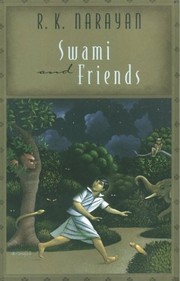
Start with Swami and Friends. It is the first Malgudi book, it is under 200 pages, and it introduces the town without asking you to care about anything larger than a boy, a cricket team and a headmaster.
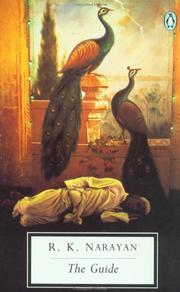
The honest qualification comes immediately: with Narayan, reading order matters less than with almost any other novelist of his stature. The Malgudi books are standalone. They share a town, a river, a mission school and a set of recurring streets, but not a continuing plot and, with rare exceptions, not continuing characters. If you would rather begin with his best novel than his first, begin with The Guide and lose nothing. That is the real answer for most readers, and the rest of this guide assumes you may take the books in whatever sequence you find them.
The thing people get wrong
Swami in Swami and Friends, Chandran in The bachelor of arts and Krishna in The English teacher are three different characters. The three books are often described as a trilogy of boyhood, undergraduate life and married adulthood, and the description is close enough to be useful and wrong enough to cause confusion. They are not one person growing up. Read them together if the progression appeals to you, but do not go looking for continuity that isn't there.
The early Malgudi novels
Swami and Friends, The bachelor of arts, The dark room and The English teacher are the 1930s and 1940s books. The dark room is the outlier and the least comfortable: a portrait of a wife inside a bad marriage, with almost none of the comic warmth the others are loved for. The English teacher turns, halfway through, into something very close to an account of Narayan's own bereavement, and its later chapters on contacting the dead are sincere rather than ironic — readers who came for gentle comedy are frequently ambushed by it.
The major middle novels
The Guide is the one to press on people. A tourist guide becomes a lover, a convict and, by accident and public insistence, a holy man; the book cuts between two timelines and refuses to tell you whether the final miracle happens. The financial expert follows a moneylender who works under a banyan tree. The man-eater of Malgudi sets a mild printer against a taxidermist who fills his house with dead animals, in Narayan's most openly mythic plot. The vendor of sweets and The painter of signs both put an older Malgudi man against a modernising India, the first through a son returned from America, the second through a family-planning campaigner on a motorcycle.
If you want the compressed version of all of it, Malgudi days is the short story collection, and the stories are where his economy is most visible.
Outside Malgudi
My days is the memoir, and worth reading after three or four of the novels rather than before — much of its interest lies in recognising what he turned into fiction. The Ramayana is his prose retelling of the epic, shortened from an eleventh-century Tamil version. It is a genuinely different kind of book, and a good short route into the material his novels keep quietly alluding to.
Where to stop
Three books are enough to know whether he is for you: Swami and Friends, The Guide and Malgudi days. If those work, the rest of the catalogue is more of the same pleasure, and you can read it in any order at all. For a wider view of the period, browse our other reading paths.
Follow the full ordered path here: R.K. Narayan Reading Order: Where to Start.
Ready to learn something deeply?
Build a reading path — free