Punk has a chronology problem. New York had the CBGB scene running from 1974; London produced the Sex Pistols and the moral panic that made the word famous in 1976; American hardcore arrived around 1980 and thought both of the earlier scenes had gone soft. Read a book from any one scene and you get a version of events in which that scene invented everything.
The other thing to expect is unreliability. A large share of this literature is oral history and memoir, written by participants with grudges, faulty memories, and reputations to manage. That is not a flaw to route around — it is the most accurate available record of a scene that kept almost no other documentation — but read it knowing that the contradictions between accounts are real.
New York first
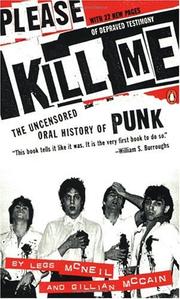
Start with Please kill me by Legs McNeil and Gillian McCain, the oral history that runs from the Velvet Underground and the Stooges through the New York Dolls to Television, the Ramones, and Richard Hell. Assembled entirely from interviews, with no connecting narration, it lets participants contradict each other on the page. It is also relentlessly bleak about the drugs and the casualties, which is a corrective to the mythology.
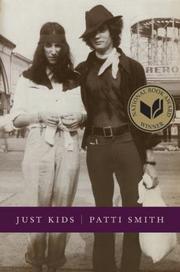
Then Just Kids by Patti Smith, which covers overlapping years from an entirely different emotional register: her relationship with Robert Mapplethorpe, the Chelsea Hotel, and the slow move from poetry into performance. It is the book to hand someone who thinks punk was only aggression, and it won a National Book Award on its own merits as a memoir.
London and the explosion
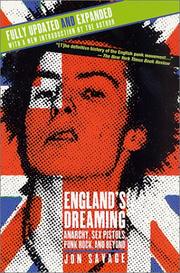
England's dreaming by Jon Savage is the best single book on this list and the most serious history of the British scene. Savage was there as a journalist but writes with real analytical distance, connecting the Pistols to situationism, art school, the fashion trade on the King's Road, and the specific economic misery of mid-1970s Britain. It explains why punk in England became a national news event when in New York it stayed a bar scene.
Then Rotten: No Irish, No Blacks, No Dogs by John Lydon, the frontman's own account, which is deliberately combative and settles scores with Malcolm McLaren, the music press, and most of his contemporaries. Read it after Savage so you can see which claims are contested; Lydon's version of who controlled the Pistols is a minority account, and the book is more interesting for that.
Passion Is a Fashion: The Real Story of the Clash by Pat Gilbert covers the other major British band, the one that took punk toward reggae, dub, and explicit politics. It is a straighter biography than the books around it and useful on how quickly the scene's anti-commercial ethic collided with actual record contracts.
Hardcore and the underground
American hardcore is the third act, and it is the part most people know least. Our Band Could Be Your Life by Michael Azerrad is the essential book: thirteen chapters on thirteen bands from Black Flag and Minor Threat to Fugazi, Mission of Burma, and the Replacements, documenting the touring circuit, the fanzines, and the independent labels that built an entire parallel infrastructure. It is really a book about self-organization and it has aged extremely well.
Get in the Van by Henry Rollins is the primary source underneath one of those chapters — his tour diaries from Black Flag, unglamorous to the point of grimness, full of bad food, violence, and driving. It gives you the texture that a survey cannot.
Finish with American Hardcore by Steven Blush, a scene-by-scene survey with the discographies and the geography, from DC to LA to Boston. It is more opinionated and less carefully sourced than Azerrad, so use it as a map rather than as a verdict.
Punk and reggae shared audiences, labels, and rhythms in late-1970s London, so the reggae path is a natural continuation. Follow the full reading path to take these in order.
Follow the full ordered path here: Best Books on Punk Rock, in the Right Reading Order.