Mountaineering is the rare pursuit whose literature can genuinely save your life — and whose greatest books are often about people it didn't save. That double nature shapes how you should read it. Learn the craft and the hazards first, from the reference works, so that when you reach the epics you understand exactly what went wrong and why. Reading the disasters without the skills is voyeurism; reading them after is education.
Mountaineering books: the skills and the epics, in order
July 12, 2026 · 2 min read
Learn the craft
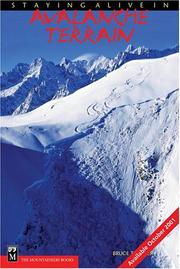
Start with the bible: Mountaineering: The Freedom of the Hills by The Mountaineers, the comprehensive manual on ropes, navigation, glacier travel, and judgment that generations of climbers have learned from. You don't read it cover to cover so much as live in it. Then read Staying Alive in Avalanche Terrain by Bruce Tremper, the essential text on the single hazard that kills the most backcountry travelers — because understanding risk is the actual skill.
Read the modern epics
Now the stories, starting with the one everyone knows. Into Thin Air by Jon Krakauer is the gripping first-person account of the 1996 Everest disaster — and you should read it alongside The Climb by Anatoli Boukreev, a guide on the same mountain that day who disputes Krakauer's version. Holding both accounts at once is a lesson in how truth fractures under stress; treat it as two testimonies, not one verdict.
Then go to the survival classic: Touching the Void by Joe Simpson, the almost unbelievable story of a climber who crawled off a mountain with a shattered leg — the greatest survival narrative in the genre. His The Beckoning Silence is the reflective sequel, on fear and why he kept climbing.
Widen the horizon
Fill in the history and the range. Annapurna by Maurice Herzog recounts the first ascent of an 8,000-meter peak — the book that launched Himalayan mountaineering as a dream. No Shortcuts to the Top by Ed Viesturs tells of climbing all fourteen 8,000ers without supplemental oxygen, a masterclass in the discipline of turning back. And for the meditative counterweight to all the summit-fever, The Snow Leopard by Peter Matthiessen and Eiger Dreams by Jon Krakauer show mountains as places of the spirit as much as the body.
How to actually study this
Read the manuals actively — practice knots and map-reading as you go, because the skills are the point. Read the epics for judgment, not just thrill: after each disaster, ask what decision you'd have made and where the chain of small choices went wrong. And take the contested accounts (Krakauer vs. Boukreev) as a reminder that mountains produce not one story but several.
Read them in order on the full reading path, explore the mountaineering hub, or browse Discover to connect it with polar exploration and rock climbing.
FAQ
- What is the best book to start mountaineering?
- For skills, Mountaineering: The Freedom of the Hills is the standard manual. For the literature, Into Thin Air is the gripping entry point — but read The Climb alongside it.
- Why read Into Thin Air and The Climb together?
- They describe the same 1996 Everest disaster from conflicting viewpoints — Krakauer’s and guide Anatoli Boukreev’s. Reading both shows how eyewitness truth fractures under extreme stress.
Get the books
- 1Mountaineering The Freedom of the HillsAmazon ↗The Climbing Committee of the Mountaineers
- 2Staying Alive in Avalanche TerrainAmazon ↗Bruce Tremper
- 3Into Thin AirAmazon ↗Jon Krakauer
- 4The climbAmazon ↗Anatoli Boukreev
- 5Annapurna-conquest of the first 8000 metre peakAmazon ↗Maurice Herzog
- 6Touching the voidAmazon ↗Joe Simpson
As an Amazon Associate we earn from qualifying purchases. Some book links are affiliate links; you pay the same price and we may earn a small commission.
Follow the full reading path


Mountaineering: the skills & the epics
Beginner10books80 hrs4 stages
@craftsherpa♥ 0
Ready to learn something deeply?
Build a reading path — free