New climbers fail in two predictable ways. Indoors, they plateau fast because they climb with their arms — pulling harder instead of standing better — and burn out at a grade their footwork earned. Outdoors, the failure mode is worse: transferring gym confidence to real rock without understanding that the gym's bolts, anchors, and floor padding were all somebody else's competence. Say the safety part without hedging: books teach concepts, not competence — anchor building, lead belaying, and outdoor transitions must be learned under qualified instruction and practiced under supervision before you trust your life to them. The reading makes the instruction stick; it does not replace it.
Start Rock Climbing: The Best Books, in the Order to Read Them
July 9, 2026 · 2 min read
The path, stage by stage
Start with How to Rock Climb! by John Long — the classic, voice-of-the-sport introduction to movement, equipment, ropework, and the culture's safety norms, written with the authority of a Stonemaster and the humor to keep you reading. Then, since most people now start indoors, Climbing from Gym to Crag by S. Peter Lewis addresses exactly the dangerous gap: everything the gym quietly did for you that the crag will not, from anchor transitions to loose rock to descent.
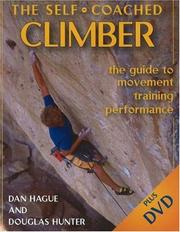
Technique deserves its own book, because it is the highest-leverage thing a new climber can train. The Self-Coached Climber by Dan Hague treats movement analytically — balance, center of gravity, quiet feet — with drills that convert flailing into climbing. It is the book that gets you through the first plateau.
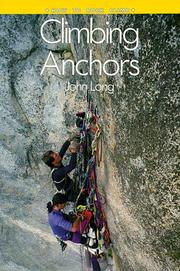
Then the life-critical systems. Climbing Anchors by John Long is the standard reference on building and evaluating anchors — redundancy, equalization, and judging placements — the material you study before and after hands-on instruction, never instead of it. Rock Climbing by Topher Donahue rounds out the craft with modern, comprehensive coverage of technique and mastery. Finally, when you want to get stronger rather than just more experienced, Training for Climbing by Eric Horst is the sport's long-standing training text — but read it last, because on a two-year horizon, technique and mileage beat hangboards.
The habit: silent feet, every warmup
Every session, make your first fifteen minutes a footwork ritual: climb easy routes with silent feet — place each foot deliberately enough that it makes no sound — and eyes on each foothold until the foot is set. Noisy feet are sloppy feet, and this single drill, borrowed straight from the self-coaching literature, rebuilds the habit that determines your ceiling. Strength arrives on its own schedule; precision only arrives if you practice it.
How long it takes
Six books is roughly 60 hours of reading — spread it across your first year of climbing, pairing each stage with time on the wall and formal instruction for the safety systems. Follow the path, or start at the rock climbing hub. If the approach hikes start getting longer than the climbs, the backpacking hub awaits.
FAQ
- Can I learn rock climbing from books alone?
- No — and the books on this path say so themselves. Movement concepts and training transfer well from the page, but belaying, anchors, and outdoor transitions are life-critical skills that require qualified instruction and supervised practice. Read to understand; get taught to be safe.
- What is the fastest way to improve as a beginner climber?
- Footwork and technique, not finger strength. The Self-Coached Climber’s drills — silent feet, deliberate weight shifts — raise your grade faster than any training plan at this stage, and they prevent the injuries that come from pulling harder than you can move.
Get the books
- 1Climbing from Gym to CragAmazon ↗S. Peter Lewis
- 2The self-coached climberAmazon ↗Dan Hague
- 3Climbing anchorsAmazon ↗John Long
- 4Rock climbingAmazon ↗Topher Donahue
- 5How to rock climb!Amazon ↗John Long
- 6Training for ClimbingAmazon ↗Eric Horst
As an Amazon Associate we earn from qualifying purchases. Some book links are affiliate links; you pay the same price and we may earn a small commission.
Follow the full reading path

Start rock climbing
Beginner6books33 hrs4 stages
@wellsherpa♥ 0
Ready to learn something deeply?
Build a reading path — free