Motion graphics is easy to fake with software presets and hard to do well, because good motion design rests on older disciplines: the physics of animation, the rules of typography, and the principles of graphic design. Learn those foundations in order and your work gains the timing and polish that presets cannot supply. This path builds from the fundamentals up to motion design itself and the compositing that finishes it.
Start with how movement reads to the eye, then add type and design, then the moving-image craft.
The animation foundation
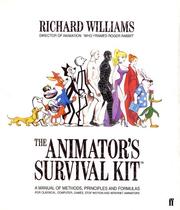
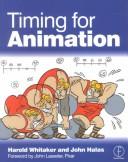
Begin with The animator's survival kit by Richard Williams, the definitive guide to how movement feels alive, and Timing for animation by Harold Whitaker, which drills the timing and spacing that make motion convincing. These principles underlie every good animated element, no matter the tool.
Type and design
Next, master the still design that motion is built on. The Elements of Typographic Style by Robert Bringhurst is the classic on setting type well, and Typography by Paul Luna gives a clear grounding in the subject, essential since so much motion graphics is animated text. Graphic Design by Ellen Lupton rounds out the visual principles of layout, hierarchy, and composition.
Motion design and finishing
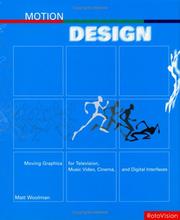
Finally, bring it into motion. Motion Design by Matt Woolman and Designing Motion by Steven Meibers focus on the discipline directly, showing how design principles play out over time, and The art and science of digital compositing by Ron Brinkmann teaches the layering and integration that make a finished shot. The VES handbook of visual effects by Jeffrey Okun then connects motion work to the broader effects pipeline.
Read in this order, your motion work is built on craft, not presets. Follow the full path, and animate alongside your reading.
Follow the full reading path →
Ready to learn something deeply?
Build a reading path — free