Jazz piano can feel bottomless: voicings, theory, comping, soloing, arranging, all at once. The way through is to layer it. Learn to make chords sound good first, then understand the theory behind why, then build improvising vocabulary, and finally reach toward arranging and personal style. Attack it all simultaneously and you make slow progress on everything.
Books complement, not replace, daily practice, transcribing records, and playing with others—that's where jazz actually lives. But the right books give you the map. Here's a sequence from first voicings to arranging.
Voicings and comping first
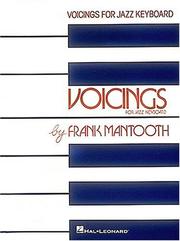
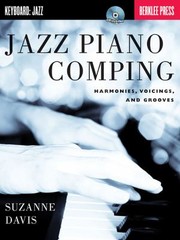
Start with The jazz piano book by Mark Levine, the standard modern text that walks you from basic voicings through the essential techniques—this is the backbone. Reinforce it with Voicings For Jazz Keyboard by Mantooth, a focused, practical guide to making chords sound rich, and Jazz Piano Comping by Davis for the rhythmic art of accompanying. Add The Art of Jazz Piano by Feather for a broader view.
Theory and vocabulary
Now understand the harmony. The jazz theory book, also by Levine, is the comprehensive companion that explains scales, chords, and reharmonization systematically. Build improvising fluency with Patterns for Jazz by Coker, a workhorse of licks and exercises, and How to play bebop for all instruments by David Baker for the bebop language that underlies so much of the tradition.
Reharmonization, arranging, and style
Finally, develop sophistication. Reharmonization Techniques by Felts teaches you to reshape a tune's harmony, and Jazz Arranging and Composing by Dobbins takes you beyond solo playing. Then two books to steep in artistry: The Harmony Of Bill Evans by Reilly analyzes one of the great pianistic voices, and Oscar Peterson - Jazz Exercises, Minuets, Etudes and Pieces for Piano gives you technique and repertoire from a master.
Follow the full path and you'll move from voicing a chord to arranging a tune.
Follow the full reading path →
Ready to learn something deeply?
Build a reading path — free