The personal essay is a trap for the unwary. Because it draws on your own life, it feels like it should be easy — just tell what happened. But the gap between a diary entry and an essay a stranger wants to read is enormous, and it is all craft: shaping raw memory into a story with meaning, finding the difference between the events and their significance, and being honest without being self-indulgent. A reading order helps you learn the form before you drown in your own material — voice first, then the essay tradition, then the specific techniques of turning true experience into art.
Best Books on Personal Essay and Memoir Writing, in Order
July 14, 2026 · 2 min read
Voice and permission
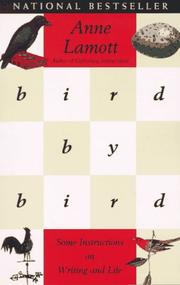
Start by learning to write personally at all. Bird by Bird by Anne Lamott is the ideal opener — funny, humane, and wise about the terror of putting yourself on the page. It gives you permission to write badly and truthfully, which is where all good essays begin.
The tradition and the form
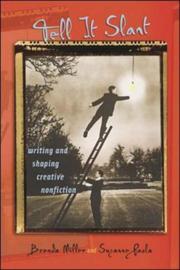
Then study what the essay actually is. The Art of the Personal Essay, edited by Phillip Lopate, is the landmark anthology, gathering centuries of masters so you learn the form by reading it. Tell It Slant by Brenda Miller is the leading craft handbook for creative nonfiction, practical on techniques and forms. And The situation and the story by Vivian Gornick makes the single most useful distinction in the field — between what happened (the situation) and what you have to say about it (the story). Together they give you both models and a mental framework.
Shaping true stories
Now turn to memoir craft, the art of building narrative from lived experience. The Liars' Club by Mary Karr is a memoir to read as a masterclass in voice and scene. The art of memoir, also by Karr, is her direct, generous instruction on how it is done. Inventing the Truth, edited by William Zinsser, collects memoirists reflecting on the ethics and craft of writing from memory — invaluable on the honesty question. And To show and to tell by Phillip Lopate returns to the essay specifically, teaching the balance of scene and reflection that defines the form.
Depth and process
Close with craft that deepens the work. The Empathy Exams by Leslie Jamison is a contemporary essay collection to study for how a modern master builds meaning from personal material. Handling the truth by Beth Kephart is a warm, searching guide to memoir's emotional and ethical demands. And The memoir project by Marion Roach Smith offers a disciplined, no-nonsense method for actually writing your true stories.
That is the arc — voice, tradition, shaping, and depth — each stage earning the next. Follow the full path in order and you will turn your life into essays readers cannot put down, without an ounce of self-indulgence.
FAQ
- How honest do I have to be in a personal essay?
- Personal essays and memoir demand emotional truth, though craft shapes what you include. Books like Inventing the Truth and Handling the truth explore exactly how far to go and how to be honest without being either cruel or self-indulgent.
- What is the difference between a personal essay and memoir?
- An essay is usually shorter and organized around an idea or question; memoir is a longer narrative of lived experience. This path covers both, and books like The situation and the story clarify how the craft overlaps.
Get the books
- 1Bird by BirdAmazon ↗Anne Lamott
- 2Art of the Personal Essay, TheAmazon ↗Phillip Lopate
- 3Tell It SlantAmazon ↗Brenda Miller
- 4The situation and the storyAmazon ↗Vivian Gornick
- 5The Liars' ClubAmazon ↗Mary Karr
- 6The art of memoirAmazon ↗Mary Karr
As an Amazon Associate we earn from qualifying purchases. Some book links are affiliate links; you pay the same price and we may earn a small commission.
Follow the full reading path
Personal essay writing: an ordered path through memoir and the essay form
Beginner11books81 hrs5 stages
@craftsherpa♥ 0
Ready to learn something deeply?
Build a reading path — free