Cooking is jazz; baking is chemistry. You can improvise a stew, but a cake collapses if your ratios or temperatures are wrong, and it will not tell you why. That is exactly why pastry rewards understanding over recipe-collecting: once you grasp what gluten, sugar, fat, and heat are actually doing, your failures stop being random and your successes become repeatable. The right reading order builds that understanding first, then technique, then range.
So begin with the science and a reliable American baker's bible, move into the deeper how-and-why, then graduate to professional and specialist technique.
Start with why recipes work
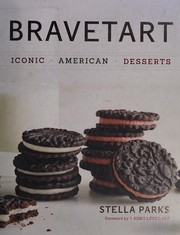
Open with the most fun way in. Bravetart by Stella Parks is a modern classic — meticulously tested American pastry recipes wrapped in genuine explanation of why each step matters, so you learn as you bake. Then get the science proper with How Baking Works by Paula Figoni, the textbook that explains the function of every ingredient in a formula. It is the single best explainer of the chemistry underneath.
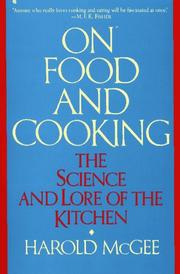
To zoom out to the whole kitchen, On Food and Cooking by Harold McGee is the legendary reference on the science of everything you cook — dip into its baking and pastry sections and half the mysteries dissolve.
Move into real technique
With the science in place, learn to execute. The Professional Pastry Chef by Bo Friberg is a comprehensive, classically grounded manual covering the core repertoire — doughs, creams, tarts, and more — with the rigor of culinary school. For refinement and precision from a master, The Art of French Pastry by Jacquy Pfeiffer teaches technique through detailed, patient instruction that rewards careful reading.
Go deep and specialize
When you want to push further, Modernist Bread by Nathan Myhrvold is the exhaustive, science-forward deep dive into bread — an obsessive resource for the ready. And for the high end of plated desserts, The Elements of Dessert by Francisco Migoya breaks composition and components down like an architect.
How to actually learn this
Baking is a physical craft: you learn the feel of a properly developed dough or a correctly whipped meringue only by making them repeatedly, so treat these books as the theory behind the reps, not a substitute for them. Weigh your ingredients in grams from day one, keep notes on what went wrong and why, and re-bake the failures. A kitchen scale and an oven thermometer will teach you as much as any chapter.
Bake in order: follow the full reading path, visit the subject hub, or browse more cooking paths.
Ready to learn something deeply?
Build a reading path — free