No field produces more confident, contradictory headlines than nutrition. Eggs are killing you; eggs are a superfood. Fat is the enemy; sugar is the enemy. The problem is not a lack of information — it is that most of it is bad, driven by weak study designs, industry funding, and our appetite for simple villains. Learning nutrition well is really learning to weigh evidence, which is why the reading order here builds a skeptic before it builds a diet.
Start with a sane philosophy and the tools to judge a study, then read the major and clashing theories about food and metabolism, holding all of them loosely. Reading the argument books first is how people end up certain and wrong.
Build the skeptic's toolkit first
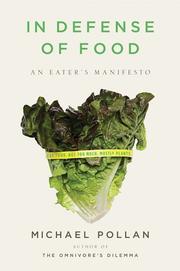
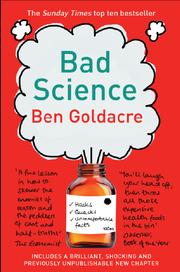
Open with a calm foundation. In Defense of Food by Michael Pollan offers a memorable philosophy — eat food, not too much, mostly plants — that cuts through the noise before you wade into it. Then arm yourself against bad research: Bad Science by Ben Goldacre teaches you to spot the flawed trials, cherry-picking, and marketing dressed as evidence that plague this field. It is the most valuable book here, because it is really about how to think.
For a genuinely balanced, textbook-style grounding in macronutrients and metabolism, Nutrition by Alice Callahan gives you the mainstream evidence-based baseline against which the louder theories can be measured. Read it slowly and treat it as the reference the rest of the path argues with.
Weigh the competing theories
Now the big contested ideas — as arguments, not answers. Good calories, bad calories by Gary Taubes is the long, heavily footnoted original statement of the carbohydrate-insulin case and a history of how dietary fat became the villain; Why we get fat by the same author is the compressed, readable version of the same argument. Read one, not both, unless you specifically want the footnotes. The obesity code by Jason Fung extends the argument toward insulin and fasting. All three are influential and all three are disputed by mainstream researchers who argue the model does not survive controlled feeding studies. Read them for the hypothesis, not the verdict.
How Not to Die by Michael Greger sits at the opposite pole: a whole-food, plant-based case argued with an enormous citation list. It is also the clearest test of the skills the first stage gave you, because the density of references can read as proof while the underlying studies vary a great deal in strength. Reading Greger and Taubes back to back, with Goldacre fresh in mind, is the single most useful exercise on this path.
The complications that break every simple rule
The Diet Myth by Tim Spector draws on gut-microbiome research to show why the same food affects different people differently — a strong reason to distrust one-size-fits-all rules. Gut by Giulia Enders is the friendly companion to it: a cheerful, genuinely useful tour of the digestive system that explains the biology those microbiome arguments depend on. It is a popular science book rather than a research review, and it is the least demanding thing on this path.
Finally, Unsavory Truth by Marion Nestle pulls back the curtain on how food-industry money shapes the very research you have been reading. It belongs at the end, when you have enough studies in your head for it to land.
How to actually learn this
Read this whole path as evidence to weigh, never as medical advice — nothing here should override a doctor or a registered dietitian who knows your body, and individual health is genuinely individual. The books contradict each other on purpose; that friction is the lesson, because certainty is the reddest flag in nutrition. Notice who funded a study, whether a claim comes from a randomized trial or a mouse, how large the effect actually was, and whether the author is reporting evidence or arguing a case. The goal is not a diet but a sharper eye.
Read it in order: follow the full reading path, visit the subject hub, or continue into metabolic health and gut health.