Great coffee is made long before it hits your cup, and roasting is the step where raw green beans become something you would actually want to drink. It is equal parts craft and chemistry, and it is deeply rewarding — but it is also hands-on and involves real heat, smoke, and hot equipment, so read the safety guidance in these books carefully and ventilate your space. Books teach the theory and the palate; only repeated roasting builds the skill.
The Best Coffee Roasting Books, in Order
July 12, 2026 · 2 min read
Why order matters here
Develop your palate and your brewing before you chase roast curves, because you cannot evaluate a roast you cannot taste. The path moves from appreciation and brewing, to roast fundamentals, to the deeper science and the water in your cup.
The path, stage by stage
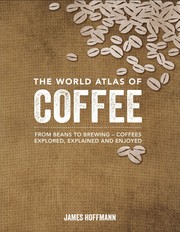
Start by learning to taste and understand coffee broadly. The World Atlas of Coffee by James Hoffmann is the modern reference — origins, processing, brewing, and what quality actually means. Pair it with How to make coffee by Lani Kingston and Craft coffee by Jessica Easto to sharpen your brewing so you can judge results reliably.
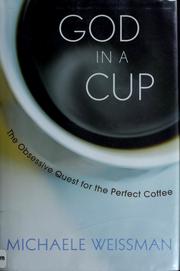
For the story and culture that give the craft context, Uncommon grounds by Mark Pendergrast traces coffee's history and trade, and God in a cup by Michaele Weissman follows the obsessive world of specialty sourcing.
Now get to roasting itself. The Coffee Roaster's Companion by Scott Rao is a concise, practical guide to roast theory, and his Coffee Roasting goes deeper into the mechanics of a good roast. For roasting at home specifically, Home coffee roasting by Kenneth Davids covers methods and equipment for the kitchen roaster.
Finally, go under the hood. The Physics of Filter Coffee by Jonathan Gagné and Water for Coffee by Maxwell Colonna-Dashwood explain the science of extraction and the enormous, underrated role of water chemistry — the last variables serious hobbyists learn to control.
How to actually study this
Taste constantly and keep notes: roast date, method, and what you actually experienced in the cup. Change one variable at a time — bean, roast level, grind, water — so you can tell what caused what. Roasting rewards repetition and honest tasting far more than gear. And respect the process: high temperatures, hot beans, and smoke are real, so set up somewhere ventilated and never leave a roast unattended.
Continue with the full reading path, the coffee roasting hub, or browse more paths.
FAQ
- What is the best book to start learning about coffee?
- *The World Atlas of Coffee* by James Hoffmann is the standard modern reference for origins, brewing, and understanding quality before you move to roasting.
- Is home coffee roasting safe?
- It can be, with care — it involves high heat, hot beans, and smoke. Roast in a ventilated space, follow the safety guidance in books like *Home coffee roasting*, and never leave it unattended.
Get the books
- 1The World Atlas of CoffeeAmazon ↗James Hoffmann
- 2God in a cupAmazon ↗Michaele Weissman
- 3The Coffee Roaster's CompanionAmazon ↗Scott Rao
- 4How to make coffeeAmazon ↗Lani Kingston
- 5Coffee RoastingAmazon ↗Scott Rao
- 6Uncommon groundsAmazon ↗Mark Pendergrast
As an Amazon Associate we earn from qualifying purchases. Some book links are affiliate links; you pay the same price and we may earn a small commission.
Follow the full reading path

Roast your own coffee: the specialty path
Beginner10books37 hrs5 stages
Ready to learn something deeply?
Build a reading path — free