Occupational therapy is a regulated health profession that helps people do the activities that matter to them, and entering it requires an accredited degree, fieldwork, and passing the NBCOT exam — books complement that formal training rather than replace it. Because OT spans theory, many practice areas, and a demanding licensure exam, it rewards a deliberate reading order.
Build the foundation first, then move through the frameworks and specialties, and finish with dedicated board prep.
Ground yourself in the foundations
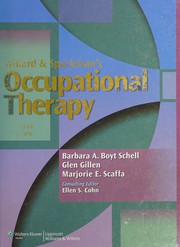
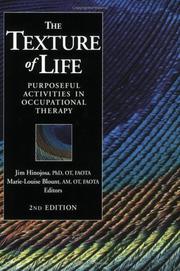
Start with Willard & Spackman's occupational therapy, the field's comprehensive standard text covering history, theory, and the breadth of practice. The texture of life introduces the profession through the lens of purposeful activities and occupations, helping you understand what OT is really about before you specialize. These anchor your understanding of the discipline.
Learn the frameworks and specialties
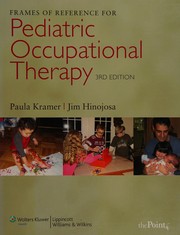
OT is organized around models and populations. Frames of reference for pediatric occupational therapy and A Model of Human Occupation give you the theoretical lenses practitioners use to reason about clients. Then move into the major practice areas: Occupational therapy for physical dysfunction covers rehabilitation for physical conditions, Psychosocial occupational therapy addresses mental health practice, and Occupational Therapy in Community and Population Health Practice broadens the view to community and preventive work. Together they map the settings you might work in.
Prepare for the board exam
The path ends at the NBCOT. NBCOT Exam Prep: OT and OT Prep: A Study Guide for the Occupational Therapy Board Exam are built specifically for that test, with practice questions and review organized around the exam blueprint. Save these for after your coursework and fieldwork, as a focused final push.
Read in this order and OT's breadth becomes a structured journey rather than an overwhelming field. Follow the full path, then complete an accredited program, fieldwork, and licensure to practice.
Follow the full reading path →
Ready to learn something deeply?
Build a reading path — free