Esthetics is a licensed profession, and the path into it runs through accredited coursework, supervised hours, and a state board exam — books support that training, they do not substitute for it. What a good reading order does is help you learn the science, the treatments, and the business in a sequence that mirrors how a career actually builds.
Start with the standard curriculum and skin science, move to advanced treatments and running the room, then drill for the licensing exam.
Build the foundation
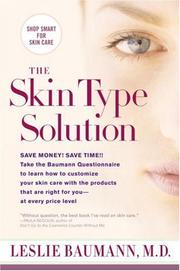
The core of most programs is Milady Standard Foundations with Standard Esthetics, the bundled texts and workbooks that cover the fundamentals every accredited course is built around. Alongside it, The skin type solution introduces a dermatologist's framework for understanding different skin types and their needs — practical knowledge you will use with every client. This foundation is where the science and the vocabulary of the trade take root.
Advance your treatments and business
With the basics in hand, Miladys Standard Esthetics Advanced Student Workbook pushes into more advanced modalities and techniques. Cosmetic Dermatology deepens the clinical science behind skin conditions and treatments, and The Esthetician's Guide to Outstanding Esthetics focuses on professional practice and client care. Face to Face: The Complete Guide to Skincare rounds out your treatment knowledge from a working practitioner's view. Because so many estheticians eventually work for themselves, Milady's Standard Professional Barbering offers adjacent salon-floor context and The Beauty Industry Survival Guide covers the money, marketing, and career realities the curriculum skips.
Pass the state board
The last mile is the exam. Exam Review for Milady Standard Esthetics and Esthetics: State Board Exam Review are built to prepare you for the written licensing test — practice questions, key concepts, and the format you will face. Work these after the coursework, not instead of it.
Read in this order and the path into esthetics becomes clear and staged. Follow the full path, then complete an accredited program and licensing to practice.
Follow the full reading path →
Ready to learn something deeply?
Build a reading path — free