Speech-language pathology is a clinical profession that treats communication and swallowing disorders, and practicing it requires a graduate degree, supervised clinical hours, and the Praxis exam — books support that path rather than replace it. Because the field draws on linguistics, anatomy, and clinical method all at once, reading in order keeps each layer from blurring into the next.
Start with an orientation to the field and to language itself, build the science, then move into disorders, clinical practice, and exam prep.
Orient yourself to the field and language
Begin with Introduction to Communication Sciences and Disorders, a broad survey of what SLPs and audiologists actually do. Pair it with The Great Courses: The Science of Language, an accessible tour of how human language works — a foundation that makes the clinical material land better. These set the stage before the technical texts.
Build the science and study disorders
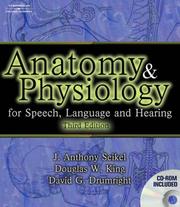
Next comes the anatomy and the core disorder areas. Anatomy & physiology for speech, language, and hearing gives you the physical systems behind speech and hearing. Communication Disorders: An Introduction and Language development: an introduction cover the range of disorders and the normal developmental baseline you measure against. Then go deeper into specific areas with Stuttering : an integrated approach to its nature and treatment and, later in the arc, A Coursebook on Aphasia and Other Neurogenic Communication Disorders.
Move into clinical practice and the Praxis
As you approach practice, Clinical methods and practicum in speech-language pathology teaches assessment and treatment procedures, Evaluating Research in Communication Disorders builds the evidence-based-practice skills the field demands, and Clinical Swallowing Examination covers the crucial dysphagia side of the job. Finally, Praxis Study Guide for Speech-Language Pathology prepares you for the licensing exam once your coursework and clinicals are largely behind you.
Read in this order and SLP's many strands weave into a clear path. Follow the full path, then complete a graduate program, clinical hours, and the Praxis to practice.
Follow the full reading path →
Ready to learn something deeply?
Build a reading path — free