Nigerian literature is best read as a conversation across generations. Achebe wrote back at the colonial library; Soyinka drew on Yoruba cosmology and the stage; the later writers inherited both and turned outward to the world. Read them in sequence and you hear each answering the last.
Order also tracks history—from the eve of colonization through independence, civil war, and diaspora. The books gain weight when you feel that timeline underneath them. Here's a path across three generations.
The founding generation
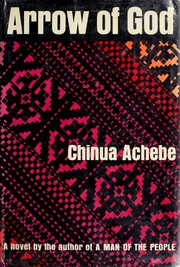
Start with Things Fall Apart, Achebe's spare, devastating account of an Igbo community as empire arrives—the book that reset how the world reads African fiction. For the full sweep, The African Trilogy (Things Fall Apart / No Longer at Ease / Arrow of God) collects three linked novels, and Arrow of God stands out for its portrait of a priest caught between his god and the British. Then Soyinka: Death and the king's horseman stages a fatal clash of duty and colonial interference, Aké: The Years of Childhood is his luminous memoir, and Season of anomy his mythic, political novel.
The world-facing generation
The later writers carried the tradition abroad. Half of a Yellow Sun is Adichie's magnificent novel of the Biafran war, intimate and epic at once. The Famished Road is Okri's hallucinatory tale of a spirit-child, dense with Yoruba metaphysics. Purple Hibiscus is Adichie's tighter debut about faith and a violent father, and Americanah her sharp, expansive story of race, migration, and return.
A newer voice
Close with Stay with me, Adébáyò's wrenching story of a marriage strained by infertility and expectation—proof the tradition keeps renewing itself.
Follow the full path to read the generations in conversation, the way they were meant to be read.
Follow the full reading path →
Ready to learn something deeply?
Build a reading path — free