Effective altruism sounds simple—use evidence and reason to help others as much as possible—but the ideas stack. You need the core moral argument before the cost-effectiveness math makes sense, and you need both before longtermism and AI risk feel like anything other than science fiction. Read in the wrong order and the more speculative claims look unmoored.
So a good path starts with the everyday case for giving, tests it against how real charity and poverty actually work, and only then reaches toward the far future. Here is a sequence that respects that arc.
Start with the moral case
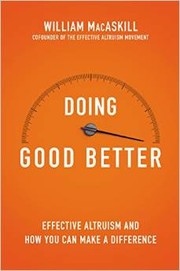
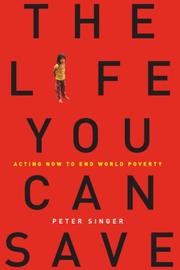
Begin with Doing Good Better, which lays out the movement's practical toolkit: expected value, counterfactuals, and the idea that where you give matters as much as whether you give. Pair it with The life you can save, Peter Singer's foundational argument that distance shouldn't dilute our obligation to strangers. For a more human, unsettling angle, Strangers drowning profiles people who take these duties to their limit, and asks what that costs them.
The evidence and the stakes
Next, ground the philosophy in data. Poor Economics is the essential corrective—a careful look at what actually reduces poverty, drawn from randomized trials rather than intuition. It teaches you to distrust tidy stories. Then The Precipice widens the frame to existential risk, arguing that safeguarding humanity's future may be the defining task of our era.
Longtermism and the machines
The path's harder ideas come last, once you have the footing. What We Owe the Future makes the case that future people count morally, and that our choices ripple across generations. Superintelligence and The Alignment Problem turn to the specific worry that advanced AI could go badly wrong—the first speculative and philosophical, the second more grounded in current machine-learning practice. Close with How to Be Perfect, a warm, funny tour of moral philosophy that keeps the whole enterprise honest and human.
Effective altruism is contested, and these authors disagree with each other on plenty. Read them as a live debate, not a doctrine. Follow the full path to see how the argument builds from a single donation to the shape of the future.
Follow the full reading path →
Ready to learn something deeply?
Build a reading path — free