Italian literature is unusually top-heavy at its start: Dante essentially forged the literary language, and everything after answers to him. Reading chronologically isn't just tidy—it lets you feel later writers pushing against, or reaching back to, that founding voice. Skip the early landmarks and the modern novels lose half their echo.
The other reason order helps is register. Italian fiction swings between grand historical canvas and intimate psychological drama, and knowing where a book sits in that tradition sharpens what it's doing. Here's a path from the fourteenth century to the present.
The foundations
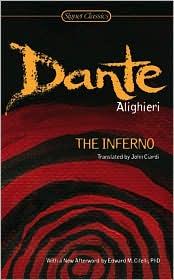
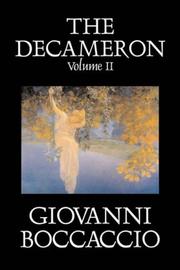
Start with Inferno, the first and most vivid stretch of Dante's journey, which set the terms for Italian as a literary tongue. Follow with The Decameron, Volume II, Boccaccio's earthy, worldly counterweight—a hundred tales that make room for the body, commerce, and wit. Then jump to The Betrothed, Manzoni's sweeping nineteenth-century novel, the book that helped standardize modern literary Italian and shaped how the nation reads itself.
Modern masters
The twentieth century is where the tradition gets restless. The Leopard is an elegiac account of Sicilian aristocracy fading into a new Italy; read it for its melancholy precision. One, No One and One Hundred Thousand is Pirandello's dizzying meditation on identity and the self as a fiction others write. Then If this is a man, Primo Levi's clear-eyed testimony from Auschwitz—essential, and unlike anything else on the list.
Play, doubt, and the present
Late Italian literature loves games. Path to the Spiders' Nests is Calvino's neorealist debut, seen through a child's eyes, while If on a Winter's Night a Traveler is his exuberant metafiction about reading itself. The Name of the Rose (Helen and Kurt Wolff Books) wraps medieval theology in a murder mystery, and My Brilliant Friend brings the story into contemporary Naples with fierce intimacy.
Read straight through and you get the whole arc—epic to irony to the everyday. Follow the full path to keep the thread across the centuries.
Follow the full reading path →
Ready to learn something deeply?
Build a reading path — free