Spanish literature has a claim few traditions can match: it produced what many call the first modern novel. But to feel why Don Quixote was revolutionary, you want to have read what came before—the sly, low-life picaresque that it both loves and outgrows. Order, here, is the difference between admiring a monument and understanding it.
The tradition then swings from sprawling nineteenth-century realism to the compressed lyric intensity of the early twentieth. Knowing which mode you're in changes how you read. Here's a path across the Golden Age, the realist novel, and the modern voice.
The Golden Age and the picaresque
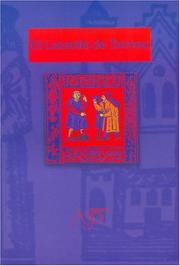
Start small and sharp with El Lazarillo de Tormes, the anonymous novella that launched the picaresque—a hungry servant narrating his masters' hypocrisies. Then the giant: Cervantes' Don Quixote is a vast, playful, endlessly modern book about a man who reads too much. It rewards patience.
The great realist novels
The nineteenth century turned to society and the city. Fortunata y Jacinta / Fortunata and Jacinta is Galdós's Madrid epic of two women bound to one man, dense with class and desire. La Regenta, Clarín's provincial masterpiece, dissects a stifled woman and a hypocritical town. Then Mist, Unamuno's strange, self-aware novel where the character confronts his author, and The Quest, Baroja's restless portrait of Madrid's underworld.
The lyric and the contemporary
Early-twentieth-century Spain sang. Poem of the Deep Song and Gypsy ballads are Lorca's incantatory verse rooted in Andalusian folk tradition, while Blood wedding ; and, Yerma brings his tragic vision to the stage. The family of Pascual Duarte is Cela's brutal postwar confession, and The Shadow of the Wind closes the path with a beloved modern mystery set in a labyrinthine Barcelona.
Follow the full path to move from the picaresque scoundrel to the postwar reckoning without losing the thread.
Follow the full reading path →
Ready to learn something deeply?
Build a reading path — free