Neuroplasticity is a genuine and well-established finding — the adult brain reorganises in response to experience, injury, and training — that has been carried a very long way past the evidence by the self-help market. "Rewire your brain" now appears on books about everything from dating to productivity. The result is a subject where the popular literature is simultaneously the best way in and the main source of confusion.
The fix is to read the vivid case-study books first, because they are what made the field legible, and then deliberately read the corrective. Doing it in that order lets you keep the genuine science and shed the inflation.
Start with the case studies
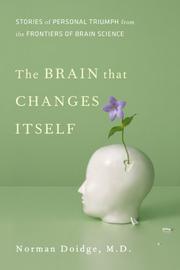
The Brain That Changes Itself is the book that put neuroplasticity into general circulation, told through case histories: a woman with a damaged vestibular system, phantom limb work, stroke rehabilitation, sensory substitution. It is compelling and it is also the book most often accused of overreaching, so read it as a set of striking examples rather than a settled framework.
Then Livewired, Eagleman's more recent and more disciplined treatment of the same territory. His framing of the brain as a system continually reallocating its territory according to input is clearer than the older popular accounts, and his own work on sensory substitution gives the argument concrete anchors.
Get the mechanism underneath it
In Search of Memory is the most rigorous book on this path. Eric Kandel won a Nobel Prize for work on the cellular basis of memory in Aplysia, and this is his scientific memoir — part twentieth-century history, part patient explanation of how synaptic change actually encodes learning. It also carries the story of a Viennese childhood under the Nazis, which makes it a far better read than its subject suggests.
The talent code extends plasticity into skill acquisition, built around myelination and deep practice. Treat it as the popular end: the underlying research on myelin and expertise is real, but the book's single-mechanism story is tidier than the science supports. A man without words is a short, extraordinary account of a deaf man who reached adulthood with no language at all and then acquired one, and it does more to demonstrate the brain's late-life capacity for reorganisation than any amount of argument.
Applications, then the corrective
The brain's way of healing is Doidge's follow-up, focused on clinical applications — chronic pain, Parkinson's symptoms, brain injury. It is the most optimistic book here and the one to read most carefully. Many of the interventions it describes are individual cases or early-stage work rather than established treatment, and it should not be read as a treatment plan. Neurological conditions need a clinician; books like this are useful for understanding a diagnosis and asking better questions, not for choosing a therapy.
Then read Great myths of the brain on purpose, as the counterweight. Christian Jarrett goes through the popular neuroscience claims one by one and separates the supported from the folklore, including several that appear in the books above. Finish with Soft-wired, Merzenich's own account of the plasticity research he led and the training principles that follow from it — from the scientist whose work underpins much of what the popular books describe, and clearer than most about what training does and does not transfer to.
Follow the full path to read these in order.
Follow the full ordered path here: Best Books on Neuroplasticity, in Reading Order.