Composition is one of those subjects where the temptation is to jump straight to "writing a symphony" and skip the grammar. It does not work. Harmony, counterpoint, form, and orchestration are prerequisites the way arithmetic precedes calculus.
The path below moves through those layers in order. You build a working command of harmony, learn to write independent voices, understand how pieces are shaped over time, and only then take on the orchestra.
Ground yourself in harmony
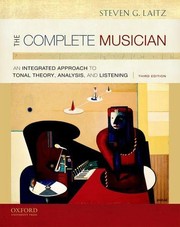
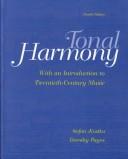
Start with a comprehensive harmony text. The Complete Musician integrates theory, analysis, and writing, so you are composing small examples from early on. Tonal Harmony is the widely used alternative and covers the same ground with clear voice-leading rules. The Musician's Guide to Theory and Analysis rounds out this stage with an analysis-forward approach that trains your ear for how real pieces work.
Learn counterpoint and form
Independent melodic lines are the backbone of good writing. Counterpoint by Kent Kennan is the practical modern course; The study of counterpoint, Fux's centuries-old classic, is the source method behind almost every counterpoint text since. Read the modern one to learn, the old one to understand where the rules come from.
Then study how music is organized across time. Form in tonal music surveys the standard forms with examples, and Sonata forms by Charles Rosen goes deep on the most important one, with a musician's insight rather than dry labeling.
Orchestrate and find your voice
Now give your ideas color. The study of orchestration by Samuel Adler is the standard reference for what each instrument can do and how they combine, and Rimsky-Korsakov's Principles of Orchestration is the classic that many orchestrators still swear by.
Finish with craft and perspective. The craft of musical composition offers Hindemith's systematic view, On the Art of Writing Music gives Copland's warm, practical wisdom, and Becoming a Composer speaks directly to the working habits of actually finishing pieces.
These books teach the tools; writing music every day is what makes a composer. Follow the full path in order.
Follow the full reading path →
Ready to learn something deeply?
Build a reading path — free