The harmonica hides its difficulty. You can make a sound in the first minute, which fools people into thinking there is nothing to learn. Then they hit the wall of clean single notes, bending, and playing in time — and quit.
The way through is a sequence: get tone and single notes first, add bends and blues phrasing next, then broaden into chords, positions, and repertoire. Reading in that order keeps each new skill resting on one you already have.
Start with tone and the blues frame
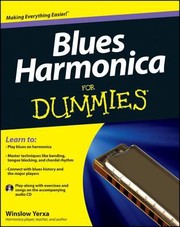
Begin with a friendly, thorough guide. Blues Harmonica For Dummies is unusually complete for a beginner book — it covers holding the harp, clean single notes, and your first bends without drowning you in theory. Pair it with The Complete Harmonica Player, which walks the same fundamentals in a slightly more structured, method-book way so the two reinforce each other.
If you learn best from short, repeatable exercises, Harmonica Method for the Classroom breaks technique into small drills that are easy to loop until they stick.
Move into real blues playing
Once single notes and simple bends feel reliable, go deeper into the blues idiom. Blues harp is a classic that teaches phrasing and feel — the parts that make a harmonica actually sound like the blues rather than a scale. Sonny Terry's Country Blues Harmonica takes you inside one master's vocabulary of whoops, tongue slaps, and train rhythms, which is the fastest way to absorb style.
Round out your technique and reference
Fill the gaps with two comprehensive references. The harp handbook is a deep, well-organized treatment of technique and positions you will return to for years. Mel Bay's Complete Harmonica Book rounds things out with additional tunes, keys, and reading practice so you have plenty to work on.
These are teaching tools, not shortcuts — real progress comes from daily short practice and, ideally, playing along with records. Follow the full path in order and each book sets up the next.
Follow the full reading path →
Ready to learn something deeply?
Build a reading path — free