The banjo is really several instruments in one. Bluegrass three-finger rolls, old-time clawhammer, and melodic playing use different right-hand techniques, and beginners who bounce between random books end up confused about which is which.
A good order fixes that. Learn the instrument and one core style first, get fluent enough to play songs, then branch into the other styles deliberately. Each stage below builds on the last.
Get oriented and learn the rolls
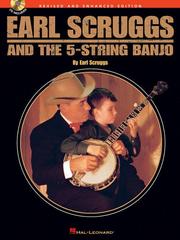
Start with a clear first-steps book. Banjo for Beginners covers tuning, hand position, and your first rolls without assuming you already read music. From there, the essential text is Earl Scruggs and the 5-String Banjo — the book that defined bluegrass three-finger style and still the standard reference for it.
Once you can hold a roll, you need songs to apply it to. Parking Lot Picker's Songbook — Banjo Edition gives you a big pile of jam standards so practice stops feeling abstract.
Deepen your bluegrass and go melodic
To turn rolls into real playing, work through Bluegrass banjo, a thorough method that fills in backup, timing, and up-the-neck work. Then open the melodic door with Melodic Banjo, which teaches the note-for-note fiddle-tune approach that expands what the instrument can do.
For chord knowledge you will keep reaching for, Banjo Chord Encyclopedia is a reference rather than a read-through — keep it nearby.
Add the old-time and clawhammer world
The banjo's other great tradition is frailing. How to play the 5 string banjo is Pete Seeger's beloved, plain-spoken introduction to the folk approach. Banjo Picking Styles surveys techniques across idioms so you can hear how they relate, and Mel Bay Clawhammer Banjo from Scratch gives you a clean, modern course in clawhammer specifically.
Books teach the moves; a metronome and slow, honest repetition make them yours. Follow the full path and each style lands in the right order.
Follow the full reading path →
Ready to learn something deeply?
Build a reading path — free